Astrophotography used to require expensive cameras, tracking mounts and complicated equipment, but modern smartphones have changed the way beginners capture the night sky.
Today, many phones can photograph the Moon, bright stars and even some impressive night landscapes straight from your pocket. However, smartphone cameras still have limitations — especially when it comes to magnification and capturing distant objects.
This is where a smartphone astrophotography lens can help.
The best clip-on lenses for smartphone astrophotography offer beginners an affordable way to experiment with photographing the night sky without the need to invest in a telescope or dedicated camera setup immediately.
If you’re completely new to photographing the night sky, our Astrophotography for Beginners guide explains the essential equipment, camera settings and techniques to help you get started with confidence.
Is a clip-on lens for a smartphone actually worth buying, and what can you realistically photograph with one of these?
Let’s find out.
Are Clip-On Lenses Worth It For Smartphone Astrophotography?
The short answer is: yes, but with realistic expectations.
Clip-on smartphone lenses are a great option for beginners who want to improve their phone photography and experiment with astronomy.
They are especially useful for:
- Improving Moon photographs
- Adding magnification
- Capturing wider views of the night sky
- Photographing landscapes under the stars
- Learning basic astrophotography techniques
However, they will not transform your phone into a professional astrophotography camera.
A clip-on lens cannot replace:
- A telescope
- A tracking mount
- A dedicated astronomy camera
- Professional camera lenses
Think of them as a fun stepping stone into astrophotography rather than a complete solution.
What Is A Clip-On Smartphone Lens?
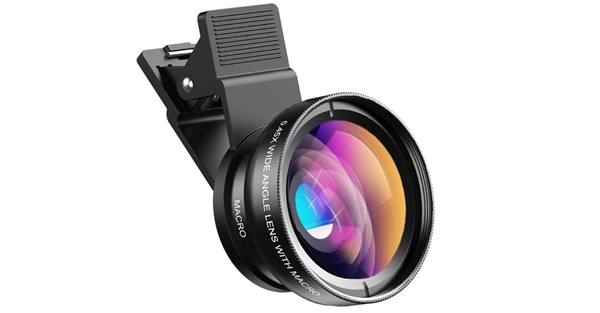
A clip-on smartphone lens is a small optical attachment that sits over your phone’s existing camera lens.
Most attach using a simple spring-loaded clip that lines up with the camera.
They work by changing the way light enters your phone camera.
For example:
- A telephoto lens increases magnification
- A wide-angle lens captures more of the sky
- A macro lens allows close-up photography
The key point to understand is that these lenses offer optical magnification, which differs from digital zoom.
Digital zoom simply enlarges a portion of an image, often at the expense of quality.
Optical magnification uses additional glass to capture more detail before the image reaches your phone sensor.
Before adding extra lenses to your phone, it’s worth learning how to get the best from your existing camera. Our Smartphone Photography Made Easy guide covers simple techniques that can noticeably improve your photos.
Can Clip-On Lenses Improve Astrophotography?
Clip-on lenses can improve certain types of smartphone astrophotography, but they work best for brighter and larger objects.
Good targets for clip-on lenses:
The Moon
The Moon is the best target for beginners.
A telephoto clip-on lens can help:
- Make the Moon appear larger
- Capture more surface detail
- Reduce the need for digital zoom
Bright planets
Planets such as:
- Jupiter
- Saturn
- Venus
can be photographed, but expectations should be realistic.
They may appear as bright points of light rather than detailed planets.
Constellations and star fields
Wide-angle lenses can help capture:
- Constellation patterns
- Star-filled landscapes
- Night sky scenes
Star trails
With a tripod and long exposure settings, smartphones can create impressive star trail images.
What Clip-On Lenses Are Not Good For:
Do not expect a phone lens to capture detailed images of:
- Nebulae
- Galaxies
- Faint deep-sky objects
Objects like the Orion Nebula or Andromeda Galaxy require more light-gathering ability.
The biggest limitations are:
- Small smartphone sensors
- Limited exposure controls
- Lack of tracking
- Light pollution
- Camera stability
Are you wondering what other celestial objects you can observe? Our guide to What Can You See In The Night Sky? explores the most rewarding sights for beginner astronomers throughout the year.
Types Of Clip-On Lenses For Astronomy
Telephoto Lenses
Best for: Moon photography
Telephoto lenses increase magnification and are usually the most interesting option for beginner astronomy.
Advantages:
✓ Makes distant objects appear larger
✓ Useful for Moon photography
✓ Easy to use
Limitations:
✗ Requires steady support
✗ Cheap versions may be blurry
✗ Limited improvement for faint objects
Wide-Angle Lenses
Best for: Night sky photography
Wide-angle lenses are useful for capturing more of the sky.
They work well for:
- Milky Way photography
- Constellations
- Star landscapes
Advantages:
✓ Capture more sky
✓ Good for beginners
✓ Useful beyond astronomy
Limitations:
✗ Less useful for Moon photography
✗ Does not increase magnification
Macro Lenses
Best for: Close-up photography
Macro lenses are generally less useful for astronomy.
They are better suited for:
- Plants
- Insects
- Small objects
Clip-On Lens Comparison
| Lens Type | Best For | Beginner Rating | Limitations |
|---|---|---|---|
| Telephoto | Moon photography | ⭐⭐⭐⭐⭐ | Needs stability |
| Wide-angle | Stars and Milky Way | ⭐⭐⭐⭐ | No magnification |
| Macro | Close-up photography | ⭐⭐ | Limited astronomy use |
Note: This post contains affiliate links. If you buy through these links, I may earn a small commission at no extra cost to you. As an Amazon Associate, I earn from qualifying purchases.
Best Clip-On Lenses For Smartphone Astrophotography
When choosing a phone lens for astrophotography, focus on:
- Optical quality
- Compatibility with your phone
- Secure attachment
- Good user reviews
- Realistic expectations
AstronomyShack Tip: Don’t expect clip-on lenses to reveal the rings of Saturn or spiral arms of distant galaxies. They’re best used for improving Moon photos, capturing wider night-sky scenes, and learning the basics of smartphone astrophotography. If you already own a telescope, a smartphone telescope adapter will almost always deliver better astronomical images.
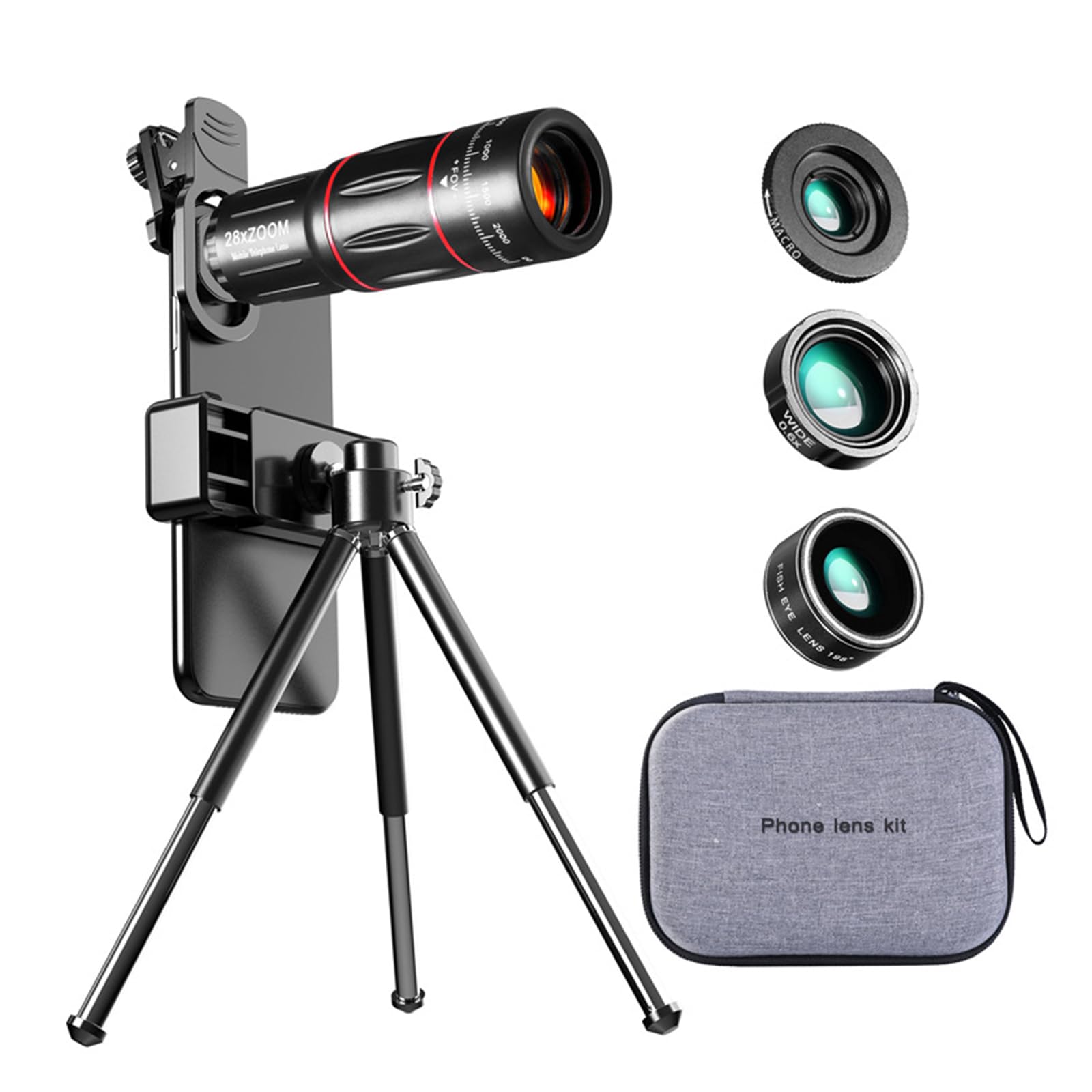
Budget Pick – Yabound 4-in-1 Cell Phone Lens Kit
Best for: Beginners on a budget
Why It’s Great
If you’re just starting out with smartphone astrophotography, this kit offers an affordable way to experiment without making a big investment.
The 28× telephoto lens is well-suited to photographing the Moon, while the included wide-angle and macro lenses make it useful for everyday photography too.
With a tripod and accessories included, you’ll have almost everything you need to begin capturing the night sky straight out of the box.
Pros
- Excellent value for money
- Includes multiple lenses
- Good choice for Moon photography
- Portable and lightweight
- Comes with a tripod and accessories
Cons
- Optical quality isn’t as sharp as premium lenses
- Requires careful alignment with your phone’s camera
- Limited performance for planets and deep-sky objects
Ideal user: Someone who wants to try smartphone astrophotography without spending a fortune.
Best Allround Lens Kit – APEXEL Universal Phone Camera Lens Kit
Best for: Most beginners
Why It’s Great
The APEXEL Universal Phone Camera Lens Kit strikes an excellent balance between quality, versatility and affordability, making it my top recommendation for most beginners.
The lenses are well made, the universal clip fits a wide range of smartphones, and the optical quality is noticeably better than many cheaper alternatives.
Whether you’re photographing the Moon, wide star fields or simply improving your everyday mobile photography, this kit offers plenty of flexibility while remaining easy to use.
Pros
- Better optical quality than many budget kits
- Secure universal clip
- Well-built construction
- Compatible with most smartphones
- Excellent all-round performer
Cons
- Telephoto performance is still limited compared with a telescope
- Best results require a tripod
- Premium smartphones may already have similar zoom capabilities
Ideal user: Beginners looking for a dependable lens kit that can improve both astronomy and everyday smartphone photography.

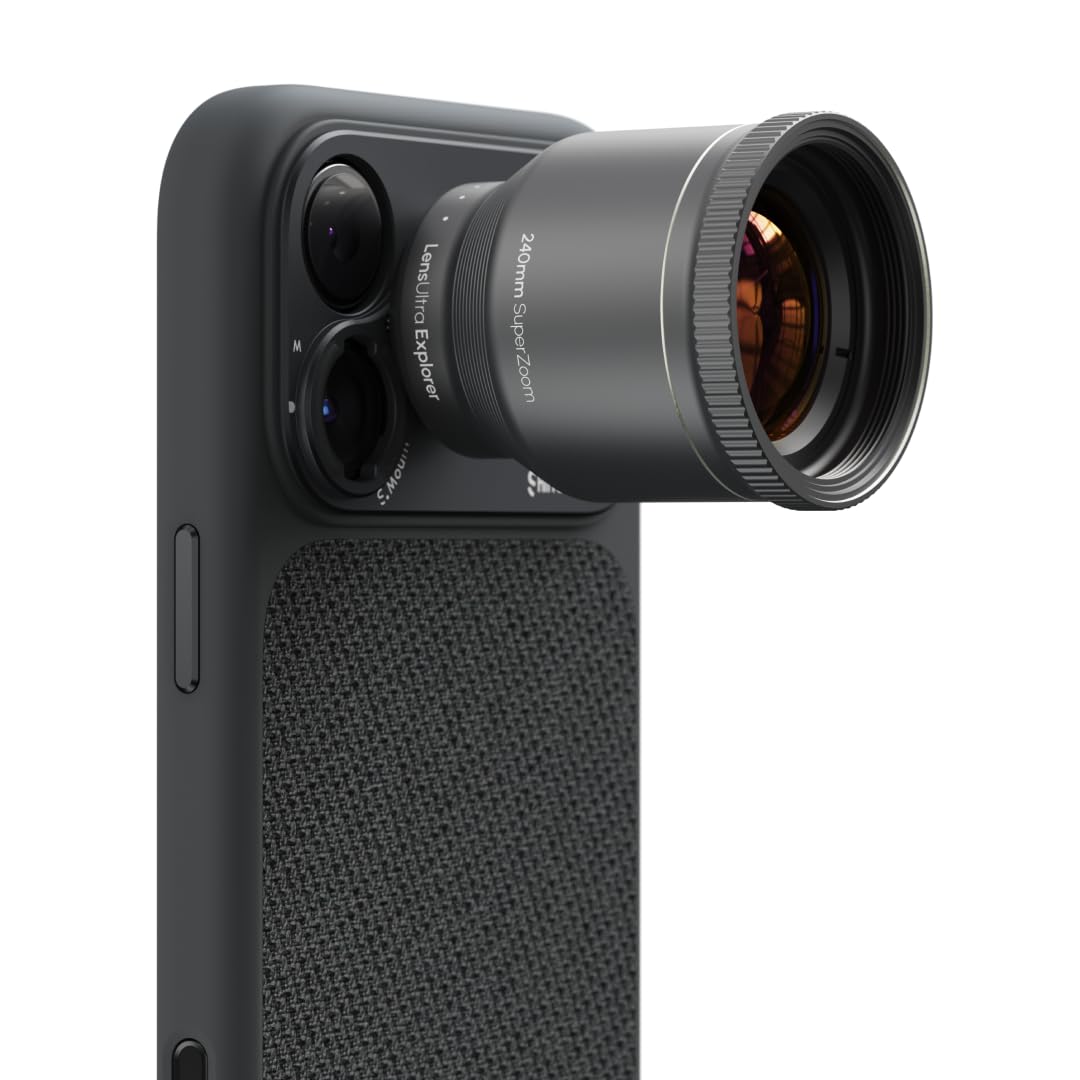
Premium Pick – ShiftCam LensUltra 240mm Super Zoom Telephoto Lens
Best for: Enthusiasts wanting premium image quality
Why It’s Great
If you’re serious about smartphone photography and don’t mind paying more for better optics, the ShiftCam LensUltra is an impressive upgrade.
Its premium construction and high-quality glass deliver noticeably sharper images than most budget clip-on lenses.
Although it won’t replace a telescope for photographing planets or deep-sky objects, it’s capable of producing excellent Moon images when paired with a stable tripod and good shooting technique.
Pros
- Excellent optical quality
- Premium build quality
- Professional feel
- Sharper images than most budget clip-on lenses
Cons
- Significantly more expensive
- Requires a compatible mounting system
- Still not a substitute for a telescope
Ideal user: Smartphone photography enthusiasts who want the best image quality from a mobile device.
How To Use A Clip-On Lens For Better Moon Photos
A good lens helps, but technique matters just as much.
1. Use A Tripod
Hand movement becomes much more noticeable when using magnification.
A tripod keeps your phone steady and prevents blurry images.
2. Attach The Lens Carefully
Make sure the clip is centred directly over the camera.
A small alignment error can reduce sharpness.
3. Clean Your Phone Lens
Fingerprints and dust can create:
- Hazy images
- Reduced contrast
- Blurry details
4. Use Manual Camera Controls
If your phone allows it:
- Lower exposure
- Adjust focus
- Reduce brightness
The Moon is much brighter than many beginners expect.
5. Take Multiple Photos
Atmospheric conditions change constantly.
Taking several images increases your chance of getting a sharp result.
Clip-On Lens vs Telescope Smartphone Adapter
Both options allow smartphone astrophotography, but they work differently.
| Feature | Clip-On Lens | Telescope Adapter |
| Cost | Lower | Higher |
| Ease of use | Very easy | More setup |
| Magnification | Limited | Much higher |
| Best target | Moon and landscapes | Moon and planets |
| Requires telescope | No | Yes |
Which Should Beginners Choose?
Choose a clip-on lens if:
- You are just starting
- You want something portable
- You want to experiment
Choose a telescope adapter if:
- You already own a telescope
- You want higher magnification
- You want better Moon and planet images
If you already own a telescope, the right accessories can make a significant difference to your observing sessions. Our Telescope Accessories Guide explores some of the most useful upgrades for beginner and intermediate astronomers.
Common Mistakes Beginners Make
Expecting Telescope-Like Images
A phone lens improves your camera, but it cannot collect the same amount of light as a telescope.
Using Digital Zoom
Digital zoom often creates larger but softer images.
Shooting Handheld
Magnification makes small movements obvious.
Photographing Through Clouds
Thin cloud can destroy contrast and detail.
Ignoring Light Pollution
A darker sky will always improve your results.
Best Accessories To Improve Smartphone Astrophotography
A clip-on lens works even better with the right accessories. Consider adding:
Smartphone Tripod
Keeps your phone steady.
Bluetooth Shutter
Allows you to take photos without having to touch your phone.
Phone Mount
Useful for telescope setups.
Red Flashlight
Protects your night vision while observing.
Star Chart App
Helps identify what you are photographing.
Conclusion
Clip-on lenses are a fun and affordable way to start exploring smartphone astrophotography.
They can help beginners capture better Moon photos, experiment with night sky photography and learn the basics of photographing the universe.
They are not a replacement for telescopes or dedicated astronomy cameras, but they are a great first step.
The best equipment is the equipment that encourages you to go outside, look up and start exploring the night sky.
If today’s article has inspired you to take the next step, we have two telescope guides to help you choose your first telescope without feeling overwhelmed by the many options available.
These guides cover the two main telescope types: Refractor telescopes and Reflector telescopes.
Frequently Asked Questions
Yes. The Moon is one of the best targets for smartphone clip-on lenses.
Yes, but planets will usually appear as bright points rather than detailed worlds.
Usually yes. Optical magnification generally produces better results than digital zoom.
No. Beginners can create enjoyable astronomy photos with just a phone and accessories.
A simple telephoto lens is usually the best starting point because it allows better Moon photography.
Not effectively. Deep-sky objects require more advanced equipment and longer exposures.