Sony has become one of the most popular systems for astrophotography, thanks to its advanced mirrorless cameras and access to a huge range of lenses.
In addition to Sony’s own glass, E‑mount users benefit from excellent third‑party support, giving astrophotographers more choice than almost any other camera system.
This guide focuses exclusively on Sony E‑mount lenses for astrophotography, covering both full‑frame and APS‑C cameras.
If you’re just getting started, my guide to Astrophotography for Beginners explains the basic equipment and techniques you’ll need before choosing a lens.
Whether you’re capturing wide Milky Way landscapes or tighter night‑sky compositions, the lenses below prioritise light‑gathering ability, sharp stars, and real‑world usability.
Note: This post contains affiliate links. If you buy through these links, I may earn a small commission at no extra cost to you. As an Amazon Associate, I earn from qualifying purchases.
Quick Verdict (If you’re short of time)
Best Sony Astrophotography Lenses
- Best overall Sony lens: Sony FE 24mm f/1.4 GM — outstanding sharpness and light‑gathering
- Best ultra‑wide option: Sony FE 14mm f/1.8 GM — exceptional edge performance for Milky Way shots
- Best wide‑angle zoom: Sony FE 16–35mm f/2.8 GM — versatile and optically strong
- Best budget Sony lens: Samyang 24mm f/1.8 AF (E‑mount) — excellent value for astrophotography
- Best for APS‑C cameras: Sony E 11mm f/1.8 — wide, lightweight, and well‑suited to crop sensors
What to Look for in a Sony Astrophotography Lens
The best Sony lens for astrophotography depends on the type of night-sky photography you want to capture, your camera, and your budget. While every lens in this guide is capable of producing excellent results, understanding a few key features will help you choose the one that’s right for you.
Here are the four most important things to consider before making your choice.
Choose a Fast Maximum Aperture
One of the biggest challenges in astrophotography is capturing enough light without introducing excessive image noise. A lens with a wide maximum aperture, such as f/1.4 or f/1.8, allows more light to reach the camera sensor.
This means you can use shorter exposure times or lower ISO settings, helping to produce brighter, cleaner images of the night sky.
While lenses with an f/2.8 aperture can still produce excellent results, faster lenses are generally preferred for photographing the Milky Way and faint stars.
Consider the Right Focal Length
Wide-angle lenses are the most popular choice for astrophotography because they allow you to capture large sections of the night sky while also including interesting foreground scenery.
For most photographers:
- 14mm is ideal for dramatic, ultra-wide Milky Way landscapes.
- 20mm offers a natural balance between sky and foreground.
- 24mm is one of the most versatile focal lengths for general astrophotography.
- 35mm works well for tighter compositions and larger deep-sky objects.
The best focal length ultimately depends on the style of images you want to create.
Look for Good Coma Control
Coma is an optical effect that causes stars near the edges of an image to appear stretched or distorted instead of remaining sharp points of light.
High-quality astrophotography lenses are designed to minimise coma, producing crisp stars across the entire frame. This is one of the main reasons why premium lenses often perform noticeably better than cheaper alternatives when photographing the night sky.
If astrophotography is your main interest, good coma control is a feature that’s well worth paying for.
Full-Frame vs APS-C Sony Cameras
Sony’s E-mount system includes both full-frame and APS-C cameras, and your camera’s sensor size affects which lenses are most suitable.
Full-frame cameras provide the widest possible field of view and generally perform better in low-light conditions, making them a popular choice for serious astrophotographers.
If you’re still deciding which camera to buy, take a look at my guide to the Best Astrophotography Cameras for Beginners, where I compare some of the best options for photographing the night sky.
APS-C cameras apply a 1.5× crop factor, meaning an 11mm lens provides a field of view similar to a 16.5mm lens on a full-frame camera. That’s why lenses like the Sony E 11mm f/1.8 are excellent options for APS-C users who want to capture sweeping views of the Milky Way.
Prime vs Zoom Lenses for Astrophotography
One of the biggest decisions you’ll face when choosing a Sony lens for astrophotography is whether to buy a prime lens or a zoom lens. Both can produce excellent results, but each has its own strengths depending on the type of night-sky photography you enjoy.
Prime Lenses
Prime lenses have a fixed focal length, such as 14mm, 20mm, or 24mm. Because they don’t need to accommodate a zoom mechanism, they often feature wider maximum apertures and exceptional image quality.
For astrophotography, this means they can gather more light, allowing shorter exposure times and lower ISO settings. Many prime lenses also offer excellent sharpness across the frame and better control of optical issues such as coma, making them the preferred choice for photographing the Milky Way and star-filled landscapes.
Advantages of prime lenses:
- Wider maximum apertures, often f/1.4 or f/1.8
- Excellent edge-to-edge sharpness
- Better low-light performance
- Ideal for serious astrophotography
Zoom Lenses
Zoom lenses offer the flexibility to change focal lengths without swapping lenses. This can be particularly useful if you enjoy photographing a variety of landscapes or travel to dark-sky locations where carrying multiple lenses isn’t practical.
While most wide-angle zoom lenses have a slower maximum aperture, many modern Sony zooms still deliver excellent image quality.
Lenses such as the Sony FE 16–35mm f/2.8 GM II provide the versatility to frame everything from expansive Milky Way panoramas to tighter night-sky compositions using a single lens.
Whichever lens you choose, a sturdy tripod is essential for keeping your camera steady during long exposures. My guide to the Best Tripods for Astrophotography explains what to look for.
Advantages of zoom lenses:
- Greater versatility
- Fewer lens changes in the field
- Ideal for travel and landscape photography
- One lens can cover several compositions
Which Should You Choose?
If astrophotography is your main passion and you’re aiming for the best possible image quality, a fast prime lens is usually the better choice. The wider aperture and excellent optical performance make it easier to capture sharp, detailed images of the night sky.
However, if you also enjoy landscape, travel, or general photography, a high-quality wide-angle zoom offers outstanding flexibility while still delivering excellent astrophotography results.
For most beginners, I’d recommend choosing the lens that best matches the type of photography you’ll do most often. A lens that’s used regularly is always a better investment than one that’s left at home because it’s too specialised.
Sony Lens Comparison Table
| Lens | Mount | Focal Length | Max Aperture | Best For | Skill Level |
|---|---|---|---|---|---|
| Sony FE 24mm f/1.4 GM | E (FF) | 24mm | f/1.4 | Milky Way, landscapes | Intermediate–Advanced |
| Sony FE 14mm f/1.8 GM | E (FF) | 14mm | f/1.8 | Ultra‑wide night skies | Advanced |
| Sony FE 16–35mm f/2.8 GM | E (FF) | 16–35mm | f/2.8 | Versatile wide‑angle work | Intermediate |
| Samyang 24mm f/1.8 AF | E (FF) | 24mm | f/1.8 | Budget astrophotography | Beginner–Intermediate |
| Sony E 11mm f/1.8 | E (APS‑C) | 11mm | f/1.8 | APS‑C Milky Way shots | Beginner |
How I Chose These Sony Lenses
The lenses in this guide have been selected based on the features that matter most for astrophotography. Rather than simply choosing the most expensive models, I’ve focused on lenses that offer an excellent balance of optical performance, light-gathering ability, and value for Sony photographers.
When comparing lenses, I considered:
- Maximum aperture – Fast apertures such as f/1.4 and f/1.8 allow more light to reach the camera sensor, making them better suited to photographing the night sky.
- Image quality – Sharpness across the frame is particularly important in astrophotography, especially when photographing dense star fields.
- Coma performance – Lenses that minimise coma help keep stars looking like sharp points of light rather than stretched or distorted shapes near the edges of the image.
- Build quality and reliability – Astrophotography often involves long nights outdoors, so well-built lenses that perform consistently are a worthwhile investment.
- Value for money – Premium lenses often deliver exceptional results, but there are also excellent third-party alternatives that offer impressive performance at a more affordable price.
Whether you’re buying your first astrophotography lens or upgrading your existing Sony kit, the lenses below represent some of the strongest options currently available for Sony E-mount cameras.
Best Sony Lenses for Astrophotography
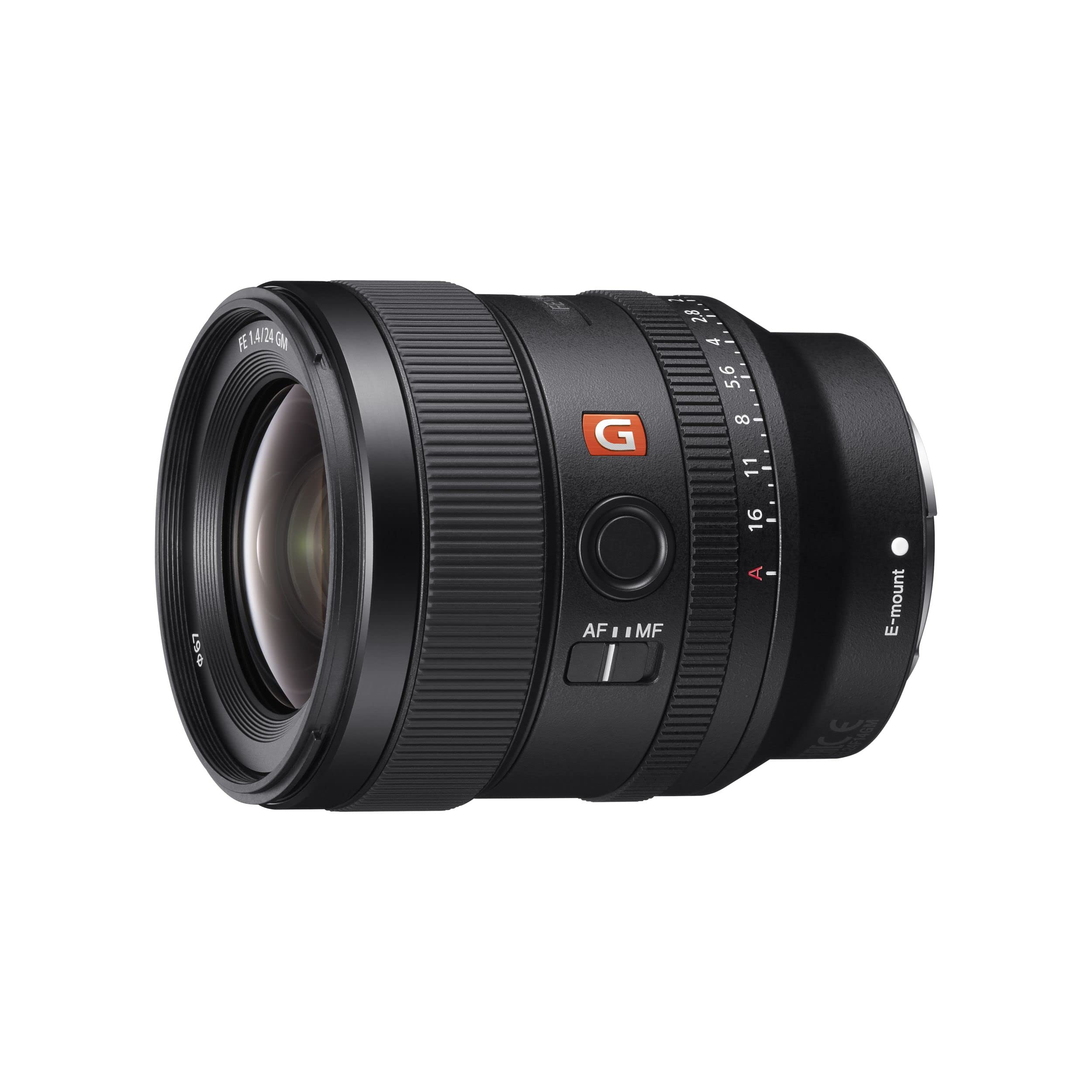
Sony FE 24mm f/1.4 GM — Best Overall
The Sony FE 24mm f/1.4 GM is widely regarded as one of the best astrophotography lenses available for Sony cameras.
Its fast f/1.4 aperture allows shorter exposures and lower ISO settings, while excellent coma control keeps stars sharp across the frame.
Why it’s great for astrophotography:
- Ultra‑bright f/1.4 aperture
- Outstanding edge‑to‑edge sharpness
- Ideal focal length for Milky Way photography
Best for: Full‑frame Sony shooters wanting top‑tier results.
Sony FE 14mm f/1.8 GM — Best Ultra‑Wide Sony Lens
If you want to capture as much of the night sky as possible, the Sony FE 14mm f/1.8 GM is an exceptional choice. The ultra‑wide field of view is perfect for dramatic Milky Way landscapes, while the fast aperture keeps exposure times manageable.

Why it’s great for astrophotography:
- Extremely wide field of view
- Excellent corner sharpness
- Minimal distortion and coma
Best for: Astrophotographers who love expansive night‑sky scenes.
Sony FE 16–35mm f/2.8 GM — Best Wide‑Angle Zoom
For photographers who want flexibility, the Sony FE 16–35mm f/2.8 GM offers a strong balance of versatility and performance.
From ultra‑wide landscapes to tighter compositions, this lens performs reliably across its zoom range.

Why it’s great for astrophotography:
- Versatile focal length range
- Constant f/2.8 aperture
- Professional build quality
Best for: Shooters who want one lens to cover multiple night‑sky compositions.
Samyang 24mm f/1.8 AF — Best Budget Sony Lens
Sony E‑mount users benefit from excellent third‑party options, and the Samyang 24mm f/1.8 AF is one of the best budget astrophotography lenses available.
It delivers strong optical performance at a much lower price than Sony’s premium GM lenses.

Why it’s great for astrophotography:
- Fast f/1.8 aperture
- Good coma control for the price
- Excellent value for money
Best for: Budget‑conscious Sony astrophotographers.
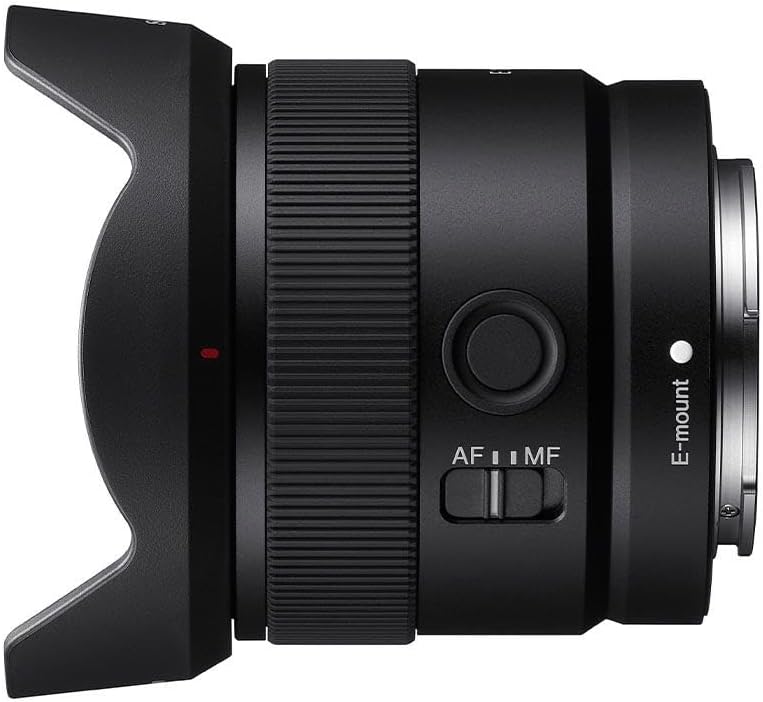
Sony E 11mm f/1.8 — Best for APS‑C Cameras
For Sony APS‑C users, the Sony E 11mm f/1.8 provides a wide field of view equivalent to roughly 16.5mm on full frame. Its fast aperture and compact design make it a strong choice for lightweight astrophotography setups.
Why it’s great for astrophotography:
- Wide field of view on APS‑C
- Fast f/1.8 aperture
- Lightweight and portable
Best for: Sony APS‑C shooters capturing wide star fields.
Final Verdict
If you’re still building your astrophotography setup, you may also find my guides to the Best Astrophotography Cameras for Beginners and the Best Tripods for Astrophotography helpful. If you’re comparing camera systems, I also have detailed guides covering the best Canon lenses for astrophotography and the best Nikon lenses for astrophotography.
Sony’s E‑mount system offers one of the strongest lens ecosystems for astrophotography. The Sony FE 24mm f/1.4 GM stands out as the best overall choice, while ultra‑wide options like the 14mm f/1.8 GM excel for dramatic Milky Way shots.
Thanks to strong third‑party support, budget‑friendly lenses like the Samyang 24mm f/1.8 also make Sony an excellent system for night‑sky photography.
Nikon shooters benefit from an excellent mix of DSLR and mirrorless lenses — see my full breakdown of the best Nikon lenses for astrophotography.
If you’re comparing systems, you may also want to explore my guides to Canon astrophotography lenses where I break down the best options for those cameras.
Frequently Asked Questions
Sony cameras are popular for astrophotography due to their strong low-light performance and mirrorless design. Sony E-mount users also have access to a wide range of native and third-party lenses.
Yes, many third-party lenses for Sony E-mount perform extremely well for astrophotography. Brands like Sigma and Samyang offer fast apertures and excellent star sharpness at competitive prices.
Full-frame Sony cameras generally perform better in low-light conditions, but APS-C models are still capable of astrophotography. The choice often depends on budget and shooting style.
Focal lengths between 14mm and 24mm are ideal for capturing the Milky Way with Sony cameras. These wide angles allow shorter exposure times while capturing more of the night sky.