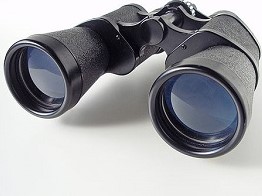
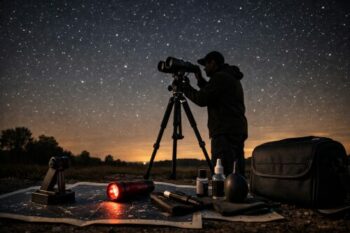
When you’re out under a starry sky with your binoculars raised for hours, the last thing you want is neck strain or binoculars swinging around as you move.
A good binocular harness helps keep your optics secure, comfortably supported and within easy reach. It’s a useful accessory for astronomy enthusiasts who spend time moving between observing locations or want to carry their binoculars comfortably during a night under the stars.

In this guide, we compare three binocular harnesses, each offering a slightly different approach to carrying your optics. Whether you prefer a conventional adjustable harness, a simple strap-based design or a lightweight shock-cord system, there’s an option worth considering.
If you’re just starting out, it’s worth reading our beginner’s guide to binoculars for stargazing to understand how everything fits together.
Best Binocular Harnesses for Astronomy (Quick Verdict)
In a hurry? Here’s our shortlist:
- Best all-rounder: Bushnell Universal Binocular Harness — a breathable, adjustable design with quick-release clips.
- Best simple strap design: Hawke Binocular Harness Strap — a straightforward carrying system with coated fittings and a leather back patch.
- Best flexible, minimalist design: Bushnell Ultra Light Binocular Harness — a lightweight shock-cord design with five different wearing configurations.
If you want a conventional harness for general use, start with the Bushnell Universal. If simplicity is your priority, consider the Hawke. The Bushnell Ultra Light is worth a look if you prefer a minimalist design with different wearing options.
If you’re still choosing the right binoculars, our Best Binoculars for Stargazing guide will help you find a pair that suits your needs before adding accessories.
Binocular Harness Comparison Table
| Harness | Best For | Carrying Design | Key Features | Price Tier |
|---|---|---|---|---|
| Bushnell Universal Binocular Harness | General-purpose carrying | Adjustable body harness | Breathable material, adjustable fit and quick-detach clips | Mid-range |
| Hawke Binocular Harness Strap | Simple, straightforward carrying | Strap-based harness | Adjustable straps, coated fittings and leather back patch | Budget–Mid-range |
| Bushnell Ultra Light Binocular Harness | Lightweight, flexible carrying | Elastic shock-cord harness | Single-point adjustment, quick-release hardware and multiple wearing configurations | Mid–upper mid-range |
Which should you choose?
- Best all-rounder: Bushnell Universal Binocular Harness — a conventional, adjustable design with breathable material.
- Best simple carrying option: Hawke Binocular Harness Strap — a straightforward alternative with protective fittings.
- Best flexible design: Bushnell Ultra Light Binocular Harness — a minimalist shock-cord system with several wearing configurations.
Why Use a Binocular Harness for Astronomy?
Astronomy binoculars can be surprisingly heavy, particularly larger models such as 15×70 or 20×80 binoculars. A conventional neck strap can become uncomfortable when you’re carrying your optics for extended periods.
A binocular harness transfers much of the carrying load from your neck to your shoulders and upper body. Depending on its design and fit, it can also help keep binoculars close to your body when you’re walking between observing locations.
A dedicated harness can:
- Distribute carrying weight across your shoulders and upper body.
- Help reduce neck strain when carrying binoculars.
- Keep your binoculars close at hand and readily accessible.
- Reduce swinging and bouncing while you’re moving around.
These benefits can be particularly useful during dark-sky trips, when you’re carrying binoculars alongside other equipment.
However, it’s important to distinguish between carrying comfort and observing stability. A harness helps you carry your binoculars; it doesn’t replace a tripod when you need steady views through heavy optics.
For more support during extended viewing sessions, see our guide to the Best Binocular Tripod Adapters for Astronomy.
A harness is just one of several binocular accessories for stargazing that can make your equipment more comfortable and convenient to use.
What to Look For in an Astronomy Binocular Harness
Before choosing a harness, consider how you use your binoculars and how much weight you need to carry.
Comfort
Look for a design that sits comfortably across your shoulders and back. The fit and weight distribution matter, especially if you expect to carry your binoculars for long periods.
Adjustability
Adjustable straps make it easier to achieve a comfortable fit over different layers of clothing. This is particularly useful when stargazing in colder weather.
Construction and fittings
Check the materials, attachment points and connectors. Secure fittings are important for keeping your binoculars attached, while durable materials are useful when observing outdoors.
Quick access
A harness should allow you to bring your binoculars up to your eyes without unnecessary fuss. Quick-release fittings can also make it easier to detach your optics when needed.
Compatibility
Don’t assume every harness is suitable for every binocular. Check the attachment method and the manufacturer’s compatibility information, particularly if you use unusually large or heavy astronomy binoculars.
Note: This post contains affiliate links. If you buy through these links, I may earn a small commission at no extra cost to you. As an Amazon Associate, I earn from qualifying purchases.
Top Binocular Harnesses for Astronomy
1. Bushnell Universal Binocular Harness
Why it’s great
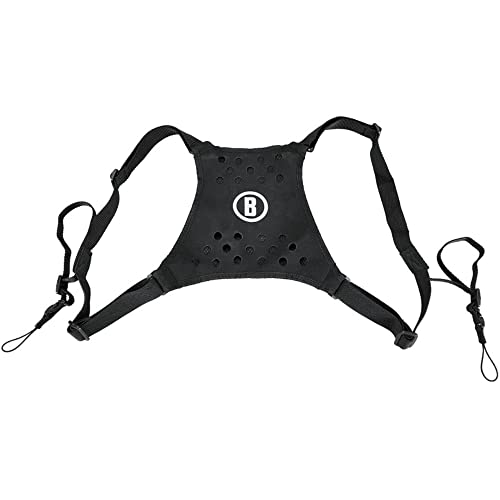
The Bushnell Universal Binocular Harness is a conventional, adjustable design intended to make carrying binoculars more comfortable. Its lightweight, breathable material and quick-detach clips make it a practical option for general outdoor use.
The harness secures your binoculars against your body while allowing you to detach them when required. Its straightforward design makes it a sensible starting point if you want a dedicated carrying harness without opting for a more specialised system.
Best for: General-purpose binocular carrying.

Pros
- Lightweight, breathable material.
- Adjustable design.
- Quick-detach clips for attaching and removing binoculars.
- Helps take carrying weight off your neck.
- Suitable for binoculars with compatible attachment points.
Cons
- More involved to put on and adjust than a simple neck strap.
- May be unnecessary if you only carry lightweight binoculars for short periods.
- Doesn’t provide the additional protection or storage of a padded binocular chest pack.
2. Hawke Binocular Harness Strap
Why it’s great
The Hawke Binocular Harness Strap offers a straightforward way to carry binoculars without relying on a conventional neck strap.
Its fully adjustable design uses nylon-coated harness adaptors, coated D-rings and a leather back patch. These features make it a practical option for people who want a simple strap-based carrying system without the bulk of a dedicated binocular pack.
For astronomy, its main appeal is simplicity. It provides a way to carry your binoculars comfortably between observing locations while keeping them readily accessible.
Best for: Straightforward, strap-based carrying.

Pros
- Fully adjustable design.
- Nylon-coated harness adaptors.
- Coated D-rings.
- Leather back patch.
- Simple alternative to a more substantial binocular harness system.
Cons
- Offers a more basic carrying arrangement than a padded chest pack.
- Doesn’t provide dedicated storage for accessories.
- Comfort will depend on the fit, binocular weight and how long you carry your optics.
While binoculars are ideal for wide-field viewing, upgrading to a telescope will allow you to see far more detail — see our Best Tabletop Telescopes for Beginners guide.
3. Bushnell Ultra Light Binocular Harness
Why it’s great
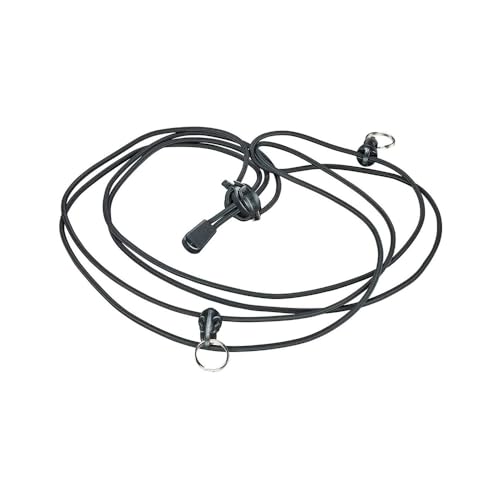
The Bushnell Ultra Light Binocular Harness takes a different approach to carrying binoculars. Rather than using a conventional fabric harness, it employs a lightweight shock-cord construction designed to keep the system simple and compact.
Its key distinguishing feature is flexibility: the harness can be worn in five different configurations. It also has a single-point adjustment and quick-release hardware, making it an interesting option if you prefer a minimalist design.
Rather than choosing this model specifically for heavy astronomy binoculars, consider it for its lightweight construction and alternative wearing options.
Best for: A lightweight, flexible carrying system.
Pros
- Lightweight, space-saving design.
- Shock-cord construction.
- Single-point adjustment.
- Quick-release hardware.
- Five different wearing configurations.
Cons
- The minimalist design may not appeal to those who prefer broader fabric straps.
- Doesn’t provide the storage or padding of a dedicated binocular chest pack.
- Its suitability for particularly heavy astronomy binoculars should be checked rather than assumed.
Which Harness Should I Choose?
The best choice depends on how you carry your binoculars and what you value most.
1. If You Want an All-Round Performer
Go with: Bushnell Universal Binocular Harness
Best for: General-purpose carrying and regular outdoor use.
- Breathable, adjustable design.
- Quick-detach clips.
- Conventional harness arrangement.
This is a sensible starting point if you want a straightforward, adjustable harness for general observing trips.
2. If You Prefer a Simple Strap Design
Go with: Hawke Binocular Harness Strap
Best for: Observers who want a basic carrying system without a dedicated chest pack.
- Fully adjustable straps.
- Coated fittings.
- Leather back patch.
Choose the Hawke if you value a simple strap-based design and don’t need additional storage or a more substantial carrying system.
3. If You Prefer a Lightweight, Flexible Design
Go with: Bushnell Ultra Light Binocular Harness
Best for: Observers who favour minimalist construction and alternative wearing configurations.
- Lightweight shock-cord design.
- Single-point adjustment.
- Five wearing configurations.
This is the most distinctive design of the three. Its flexibility is the main reason to consider it, although you should check its suitability before using it with particularly heavy binoculars.
Tips for Using Your Harness While Stargazing
Adjust it before heading out. Make sure the harness fits comfortably over the clothing you’ll be wearing and that your binoculars sit securely when lowered.
Check the attachments. Before setting off, confirm that all clips, straps and binocular attachment points are secure.
Use a tripod when needed. Larger binoculars, including many 15×70 and 20×80 models, can be tiring to hold steady for extended observations. A compatible tripod adapter and suitable tripod can make a substantial difference to viewing comfort.
Keep essential accessories accessible. A small pocket or separate pouch for a lens cloth and red-light torch can be useful when observing at night. Don’t assume a harness includes storage unless the product description confirms it.
Consider your observing style. If you mainly observe from one location, you may spend less time carrying your binoculars than someone who walks between viewing spots. Your observing habits should influence how much you spend on a harness.
If you regularly observe with heavier binoculars, pairing them with a suitable tripod adapter and tripod will generally be more useful for sustained viewing than relying on a carrying harness alone.
Final Thoughts
A binocular harness can be a useful addition to your astronomy equipment, particularly if you carry your binoculars regularly or spend long periods outdoors.
The Bushnell Universal is a practical all-round option, the Hawke offers a straightforward strap-based design, and the Bushnell Ultra Light stands out for its lightweight shock-cord construction and flexible wearing configurations.
Choose according to the design and features that best suit your needs, and check compatibility with your binoculars before buying.
Once you’ve sorted your binocular carrying arrangements, you may also want to explore our Telescope Accessories Guide for other useful additions to your observing setup.
Frequently Asked Questions
A binocular harness uses straps around your shoulders and upper body to support binoculars when you're not looking through them. Unlike a conventional neck strap, it distributes much of the carrying load across your upper body, which can help reduce neck discomfort.
The benefits depend on the harness design, fit and weight of your binoculars. A harness won't eliminate all discomfort, but it can be useful when carrying optics for extended periods.
Not necessarily. Many harnesses work with binoculars that have compatible strap attachment points, but designs and fittings vary. Check the manufacturer's compatibility information before buying, particularly if you own large or unusually heavy astronomy binoculars.
For carrying binoculars, a harness can be useful. For observing, a tripod provides a different benefit by supporting the binoculars and helping keep the view steady.
A tripod is particularly worth considering for extended viewing through larger binoculars, such as 15×70 or 20×80 models. Make sure you have a compatible tripod adapter.
They can be more comfortable than a conventional neck strap when you're carrying binoculars for extended periods. However, comfort depends on the harness design, fit, binocular weight and your individual preferences.
If possible, check the adjustment range and construction before buying.
Follow the manufacturer's fitting instructions. Adjust the straps so the binoculars sit securely and comfortably against your body when lowered, without excessive movement or uncomfortable pressure.
Check the fit while wearing the clothing you expect to use outdoors, as additional layers can affect strap adjustment.