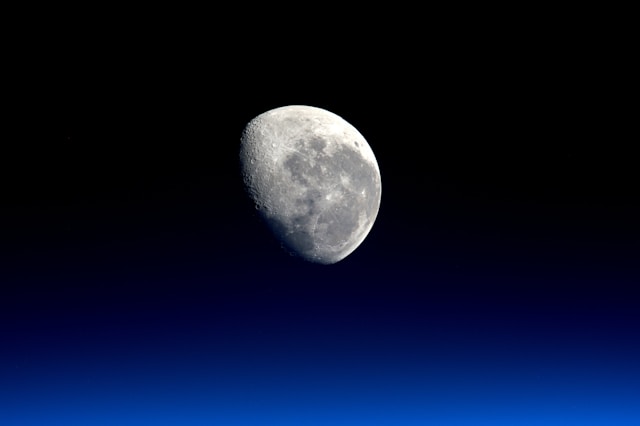
I remember when I used to look up at the night sky and wonder why the Moon seemed to change shape every few nights. One evening it appears as a thin silver crescent, a week later it’s a bright half Moon, and before long it becomes a glowing full Moon dominating the sky.
The truth is, the Moon is not actually changing shape at all. Understanding what causes Moon phases is all about understanding sunlight, shadows, and how the Moon orbits Earth.
As the Moon travels around our planet, we see different portions of its sunlit half, creating the familiar cycle of lunar phases.
Learning the phases of the Moon is one of the best ways to begin understanding the night sky. Once you know how the lunar cycle works, planning stargazing sessions, spotting planets, and even photographing the Moon becomes much easier.
TL;DR – Quick Answer
- The Moon is always half illuminated by the Sun
- Moon phases happen because we see different portions of the illuminated half as the Moon orbits Earth
- The complete lunar cycle takes approximately 29.5 days
What Are Moon Phases?
Moon phases are the different appearances of the Moon we see from Earth throughout the month. These changing shapes are known as the phases of the Moon or lunar phases.
The Moon itself never physically changes shape. It is always a spherical object lit by the Sun. What changes is our viewing angle from Earth.
Imagine holding a tennis ball under a lamp in a dark room. The lamp always illuminates half the ball, but depending on your position, you will see different amounts of the lit portion. The Moon works in the same way.
As the Moon orbits Earth:
- Sunlight always illuminates half of the Moon
- We see varying amounts of that illuminated half
- This creates the changing phases we observe in the sky
This is the key to understanding why we see Moon phases.
The Science Behind Moon Phases
To understand Moon phases, we need to look at the positions of:
- The Sun
- Earth
- The Moon
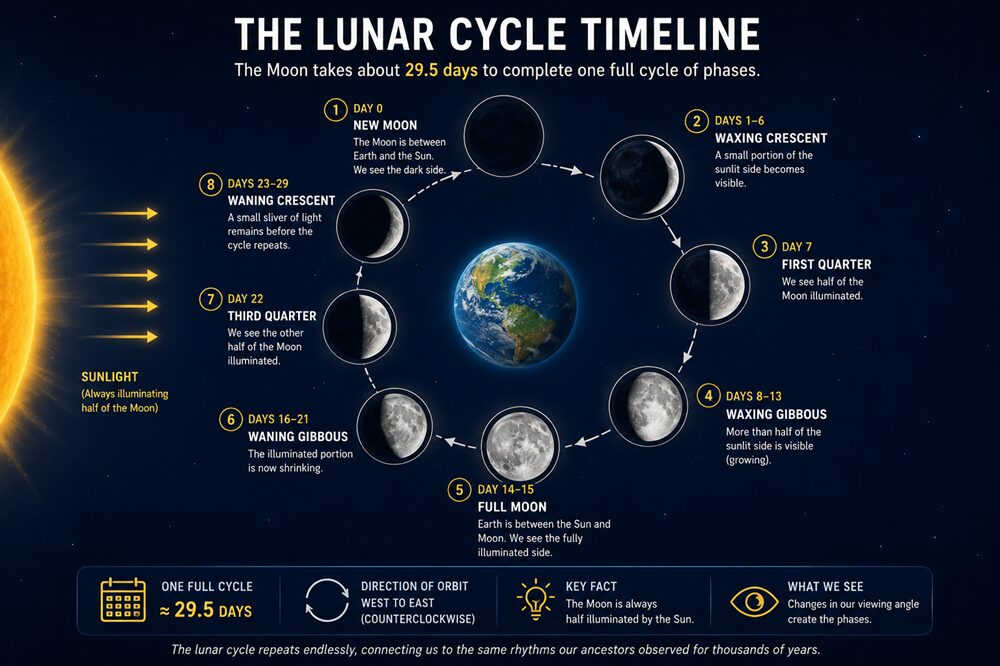
The Moon travels around Earth roughly once every month. During this orbit, the angle between the Sun, Earth, and Moon constantly changes.
When the Moon is positioned between Earth and the Sun, the illuminated side faces away from us. This creates a new Moon.
When Earth is between the Sun and the Moon, we see the fully illuminated side, creating a full Moon. Most of the time, we see something in between.
The lunar cycle lasts approximately 29.5 days. This period is known as a synodic month.
A useful thing to remember is:
- The Moon is always half-lit
- We simply see different amounts of that illuminated half during the orbit
The 8 Main Moon Phases
The Moon progresses through eight major phases during its monthly cycle.
1. New Moon
What It Looks Like
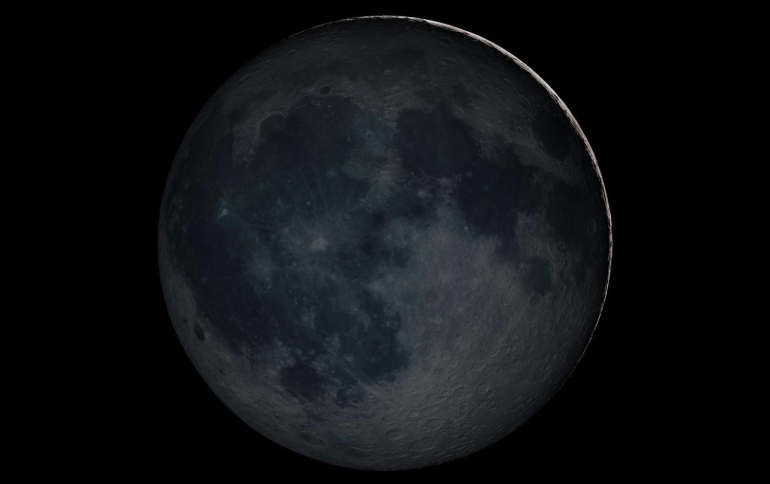
The Moon is almost invisible in the sky.
Why It Appears This Way
The illuminated side faces away from Earth.
When It Occurs
Day 0 of the lunar cycle.
Best Observing Tips
A new Moon phase is the best time for deep-sky observing, because the sky is at its darkest.
Interesting Fact
Many astronomy enthusiasts plan galaxy and nebula observing sessions around the new Moon.
2. Waxing Crescent
What It Looks Like
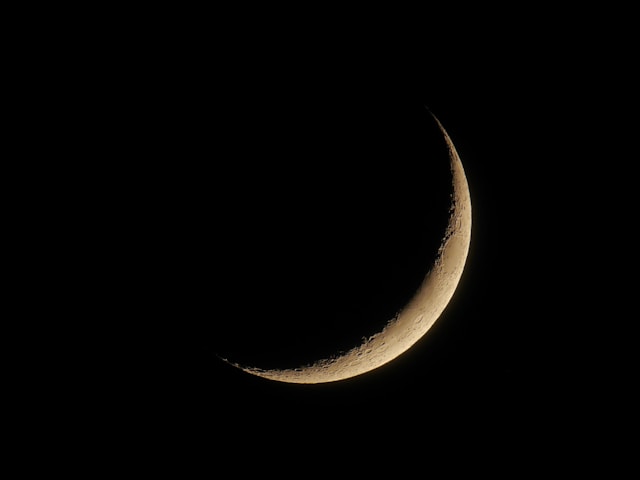
A thin crescent appears shortly after sunset.
Why It Appears This Way
We begin seeing a small portion of the illuminated half.
When It Occurs
Days 1–6.
Best Observing Tips
Look low in the western sky after sunset.
Interesting Fact
earth-shine is often visible during this phase. This faint glow lights up the dark side of the Moon due to sunlight reflecting from Earth.
3. First Quarter
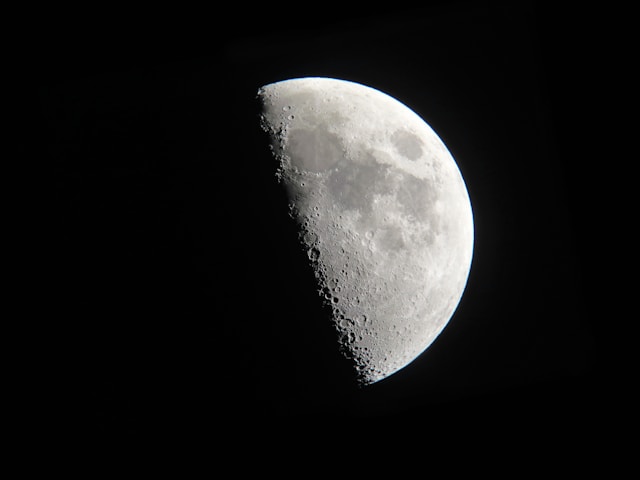
What It Looks Like
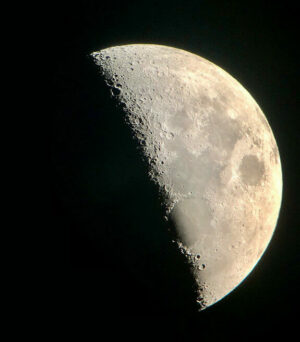
Half the Moon appears illuminated.
Why It Appears This Way
We see exactly half of the illuminated side.
When It Occurs
Around day 7.
Best Observing Tips
Excellent for viewing lunar craters because shadows are long and detailed.
Interesting Fact
Despite the name “quarter,” we are actually seeing half the Moon illuminated.
4. Waxing Gibbous
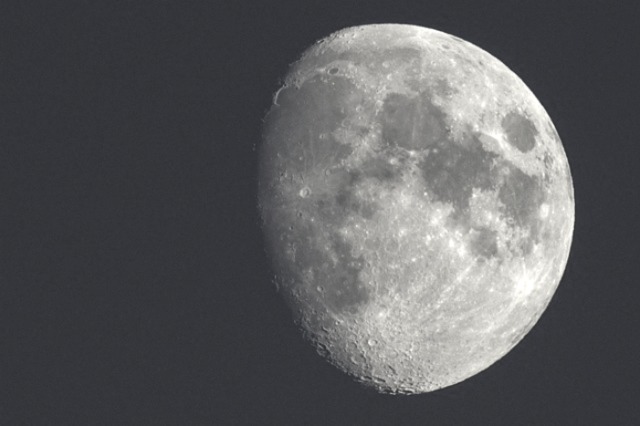
What It Looks Like
More than half illuminated but not yet full.
Why It Appears This Way
The visible illuminated portion continues increasing.
When It Occurs
Days 8–13.
Best Observing Tips
Great for observing mountain ranges and crater walls through binoculars or telescopes.
Interesting Fact
The word “gibbous” means bulging.
5. Full Moon
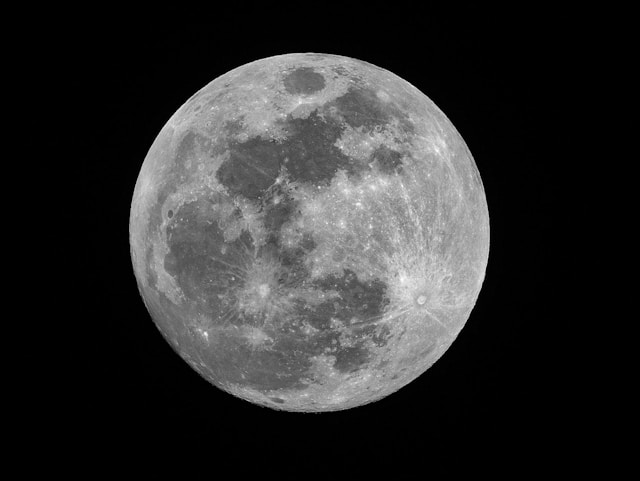
What It Looks Like
The entire face appears illuminated.
Why It Appears This Way
Earth lies roughly between the Sun and Moon.
When It Occurs
Around day 14–15.
Best Observing Tips
Perfect for naked-eye viewing and Moon photography.
Interesting Fact
A full Moon can appear orange near the horizon because of Earth’s atmosphere.
6. Waning Gibbous
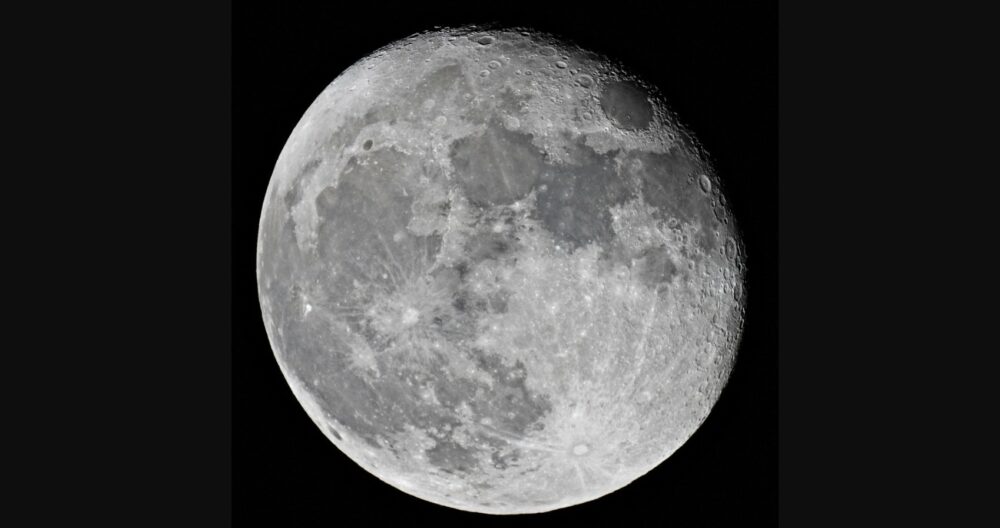
What It Looks Like
The illuminated portion begins shrinking.
Why It Appears This Way
The Moon continues orbiting Earth after the full Moon stage.
When It Occurs
Days 16–21.
Best Observing Tips
Early morning observing is often best during waning phases.
Interesting Fact
This phase rises later each night.
7. Third Quarter
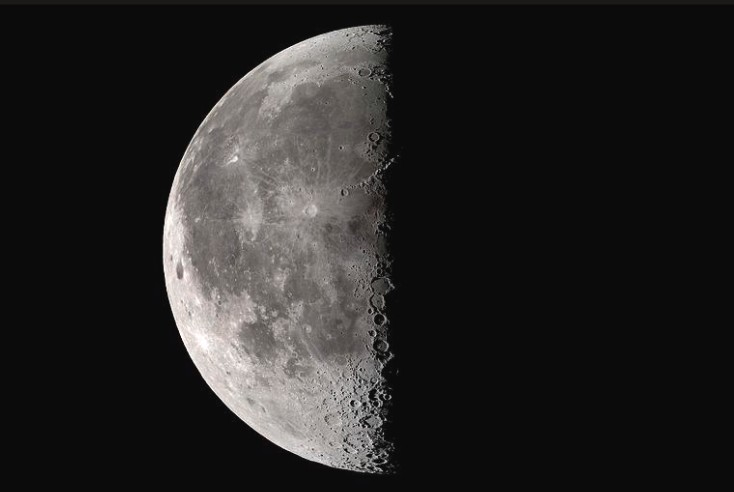
What It Looks Like
Half illuminated again, but opposite from first quarter.
Why It Appears This Way
We now see the opposite half of the illuminated side.
When It Occurs
Around day 22.
Best Observing Tips
Excellent for observing before sunrise.
Interesting Fact
This phase is sometimes called the last quarter Moon.
8. Waning Crescent
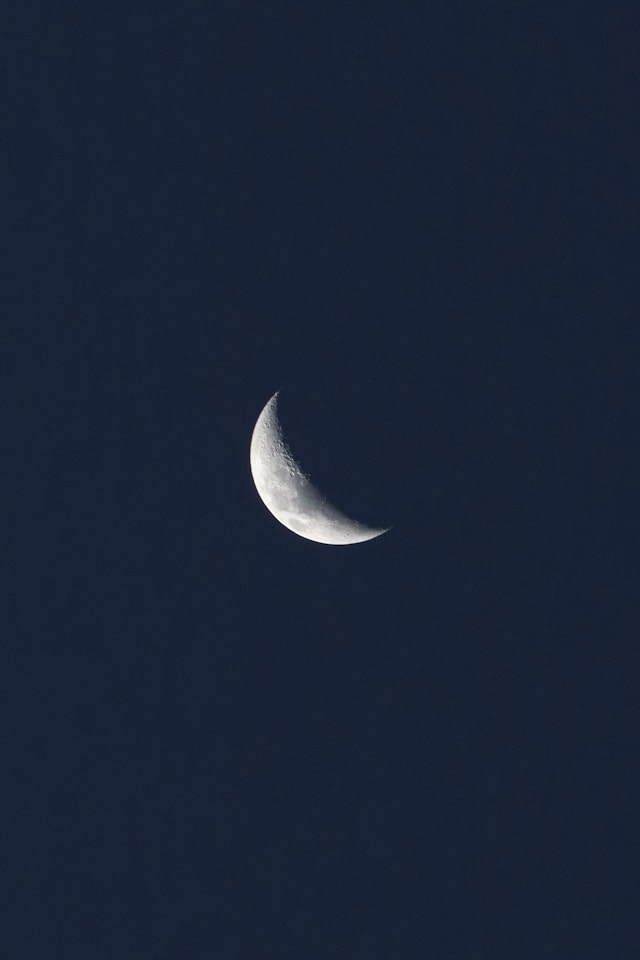
What It Looks Like
A thin crescent visible before sunrise.
Why It Appears This Way
Only a small sliver of the illuminated side remains visible.
When It Occurs
Days 23–29.
Best Observing Tips
Look toward the eastern sky before dawn.
Interesting Fact
This phase marks the final stage before the cycle repeats with a new Moon.
Moon Phase Summary Table
| Phase | Appearance | Visibility | Best For |
|---|---|---|---|
| New Moon | Invisible | Daytime | Deep-sky observing |
| Waxing Crescent | Thin crescent | Evening | Earthshine viewing |
| First Quarter | Half lit | Afternoon/evening | Crater detail |
| Waxing Gibbous | Mostly lit | Evening | Lunar surface observing |
| Full Moon | Fully illuminated | All night | Naked-eye viewing |
| Waning Gibbous | Mostly lit | Late evening/morning | Surface features |
| Third Quarter | Half lit | Morning | Early-morning observing |
| Waning Crescent | Thin crescent | Pre-dawn | Atmospheric photography |
Waxing vs Waning Explained
Many beginners find the terms “waxing” and “waning” confusing at first.
Here’s the simple explanation:
- Waxing means the illuminated portion is growing
- Waning means the illuminated portion is shrinking
So:
- From new Moon to full Moon = waxing
- From full Moon back to new Moon = waning
Why Don’t We Have an Eclipse Every Month?
A very common question is: if the Moon orbits Earth every month, why don’t we get a solar or lunar eclipse every month?
The answer is that the Moon’s orbit is tilted slightly compared to Earth’s orbit around the Sun.
Most months:
- The Moon passes slightly above or below the exact alignment needed
- No eclipse occurs
- We still see normal Moon phases
Eclipses only happen when:
- The Sun, Earth, and Moon line up very precisely
- The Moon crosses Earth’s orbital plane at the correct time
So although Moon phases and eclipses both involve the Sun, Earth, and Moon, they are not the same thing.
How Moon Phases Affect Stargazing
Moon phases can dramatically change your observing experience.
Why Dark Skies Matter
Moonlight brightens the night sky. During a full Moon, faint galaxies and nebulae become much harder to see.
That’s why deep-sky observers prefer:
- New Moon nights
- Crescent Moon periods
- Moonless skies
Take your astronomy knowledge further by discovering what galaxies are and how they shape our universe.
Why the Crescent Moon Is Great for Viewing
Ironically, the full Moon is not always the best phase for telescopes.
During crescent and quarter phases:
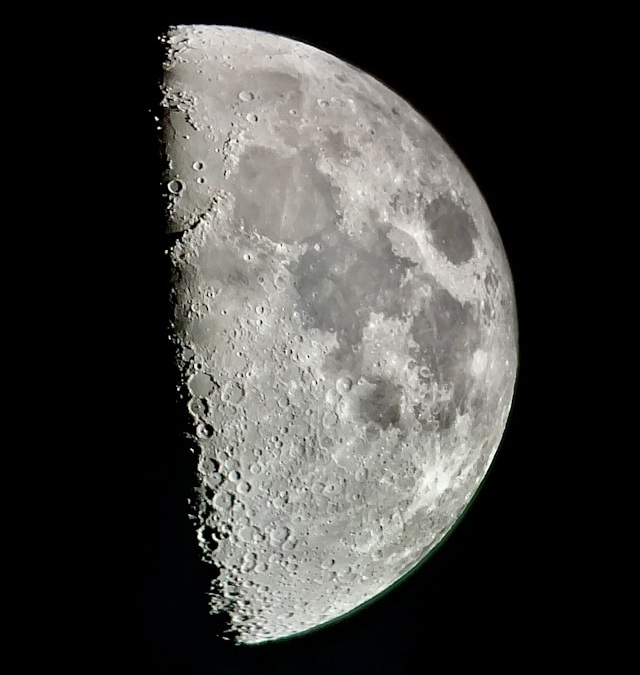
- Shadows are longer
- Craters look more dramatic
- Mountain ranges stand out clearly
The line dividing light and dark on the Moon is called the terminator, and this is often where the most impressive details can be seen.
Planning Observing Sessions
A simple Moon phase calendar can help you:
- Choose dark-sky nights
- Plan astrophotography sessions
- Decide when to observe planets or deep-sky objects
Understanding the Moon cycle can significantly improve your astronomy sessions.
Ready to explore beyond the Moon? Our guide on how to start stargazing will help you get started.
Best Equipment for Observing the Moon
One of the best things about lunar observing is that you do not need expensive equipment.
Naked-Eye Viewing
You can easily track Moon phases without any equipment at all.
This is the perfect starting point for beginners.
Binoculars
A good pair of binoculars can reveal:
- Major craters
- Dark maria (“seas”)
- Bright ray systems
7×50 or 10×50 binoculars work especially well.
Want a closer look at lunar craters and other celestial sights? Check out binoculars for astronomy: a beginner’s guide.
Beginner Telescopes
Even small telescopes can provide stunning lunar views.
Look for:
- Refractors
- Dobsonian or Newtonian reflectors
- Stable mounts
The Moon is bright enough to show detail even in modest equipment.
Moon Filters
A Moon filter reduces glare during bright phases and can make viewing more comfortable.
They are especially useful near full Moon.
Smartphone For Moon Photography
You can capture surprisingly good Moon images using:
- A smartphone adapter
- A tripod
- Simple camera apps
Following the Moon through its monthly cycle is a rewarding project, and smartphone photography made easy can help you document every phase successfully.
Tripods for Stability
Stable viewing makes a huge difference.
Whether using binoculars or a camera, a sturdy tripod helps:
- Reduce shaking
- Improve detail
- Make longer observing sessions more enjoyable
Common Moon Phase Myths
Myth 1: The Moon Creates Its Own Light
False. The Moon reflects sunlight.
Myth 2: Earth’s Shadow Causes Moon Phases
False. Earth’s shadow only causes lunar eclipses. Moon phases are caused by viewing angles.
Myth 3: The Moon Only Appears at Night
False. The Moon is often visible during daylight hours.
Myth 4: The Full Moon Is Always Biggest on the Horizon
This is an optical illusion called the Moon illusion.
The Moon only appears larger because of how our brains perceive nearby objects.
Moon Observation Tips For Beginners
Track the Moon Nightly
Spend a few minutes observing the Moon each evening and notice how its position changes.
Use Moon Phase Apps
Apps can help identify:
- Current lunar phase
- Rise and set times
- Future full Moons
Keep an Observing Journal
Sketching the Moon is an excellent way to improve observational skills.
Observe During Twilight
The Moon often looks best before the sky becomes completely dark.
Photograph the Moon Over a Month
Capturing each phase creates an amazing visual record of the lunar cycle.
This is one of the best beginner astronomy projects.
Final Thoughts
Understanding what causes Moon phases is one of the most rewarding first steps in astronomy.
The Moon does not actually change shape. Instead, the phases happen because we see different portions of the Moon’s sunlit half as it orbits Earth. This repeating cycle takes about 29.5 days and creates the familiar pattern of crescents, quarters, gibbous phases, and full Moons.
Once you start recognising lunar phases, the night sky begins to feel far more familiar and connected. Better still, the Moon is bright, easy to find, and constantly changing, making it the perfect target for beginner astronomers.
So next time you step outside after sunset, take a moment to look up. The Moon is putting on a show that humans have watched for thousands of years — and now you understand exactly why.
FAQ’s – What Causes Moon Phases?
Moon phases are caused by the Moon orbiting Earth while sunlight illuminates half of the Moon. We see different amounts of the lit portion during the orbit.
The Moon changes position relative to Earth and the Sun, altering how much of the illuminated side we can see.
The exact full Moon moment lasts only an instant, but the Moon appears full for roughly one to three nights.
The Moon is often above the horizon during daylight hours and bright enough to remain visible.
The full lunar cycle lasts approximately 29.5 days.