Everything you need to learn the basics of astronomy, understand the night sky, and start stargazing with confidence.
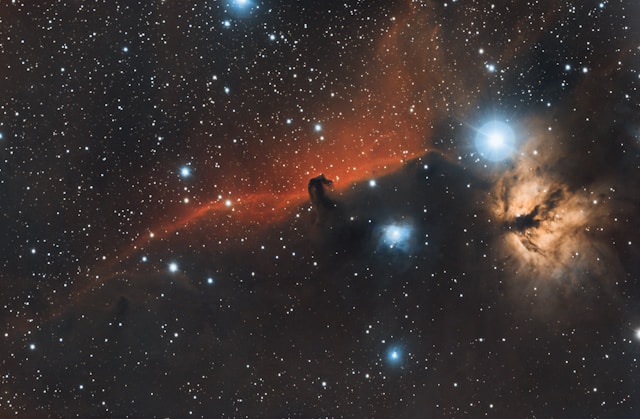
Learning Astronomy: What Beginners Should Focus On
When you’re starting out, it’s easy to feel overwhelmed—but astronomy becomes much more enjoyable when you focus on a few key skills.
First steps getting into astronomy is less about equipment and more about understanding. Many beginners assume they need a telescope straight away, but the most valuable first step is learning some things about how the night sky works.
The sky isn’t static—it changes throughout the night and across the seasons. Recognising this movement will help you understand where to look and when.
Learning what a few constellations look like will help you find your way around. A night sky map really helps with this.
At the same time, your observing conditions matter more than you might expect. Weather, light pollution and timing all play a big role in what you’re able to see.
At some point you may want to explore equipment, such as which binoculars to use or the differences between telescope types. Knowing the basics will help you avoid some common frustrations.
Most importantly, astronomy is something you build over time. The more you observe, the more familiar the sky becomes—and the more rewarding the experience is.
Start Here
Beginner Astronomy Guides
- What Is Astronomy? (Complete Beginner Guide)
- How to Start Stargazing (Step-by-Step)
- What Is A Light Year?
- Popular Questions On The Solar System
- What Can You See In The Night Sky?
Explore All ‘Learn Astronomy’ Topics (Index)
How The Night Sky Works
Space Objects Explained
Observational Guides
Astronomy Equipment Explained
- Telescope Eyepiece Magnification Explained
- Difference Between Refractors And Reflectors
- Astronomy Photography Tips: Capturing The Cosmos
Popular Astronomy Questions
- Popular Questions On The Solar System
- Popular Questions On The Sun
- Popular Questions On The Moon
- Popular Questions On The Earth
Latest ‘Learn Astronomy’ Guides
-
What Is A Nebula? A Beginner’s Guide
If you’ve ever seen a stunning image of colourful clouds floating among the stars, you’ve probably been looking at a…
-
What Causes Moon Phases?
I remember when I used to look up at the night sky and wonder why the Moon seemed to change…
-
What Can You See In The Night Sky?
Look up on a clear night and you’ll discover a universe filled with incredible sights. From bright planets and sparkling…
-
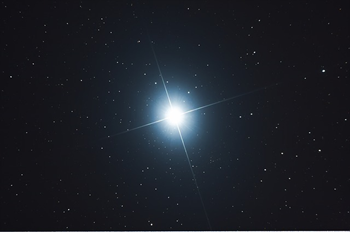
Why Do Stars Twinkle? (Simple Explanation With Real Examples)
If you have ever looked up at the night sky and noticed stars shimmering, flickering or flashing different colours, you…
-
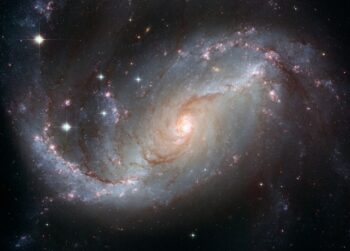
What Are Galaxies? – Explained For Beginners
Understanding what galaxies are is one of the most exciting steps in learning about the universe. For beginners, galaxies can…
-
What Is a Light Year? (Simple Explanation)
How far away are the stars you see in the night sky? It’s a simple question — but the answer…
Explore More Astronomy Hubs
- Telescopes – Find the best telescopes for beginners and learn how to choose the right one.
- Telescope Accessories – Discover must-have accessories to improve comfort, performance, and overall telescope usability.
- Binoculars & Accessories – Explore binoculars for stargazing and the essential accessories to enhance your viewing experience.
- Astrophotography – Learn how to capture stunning images of the night sky with the right gear and techniques.
- Gifts & Books – Discover thoughtful astronomy gifts, inspiring books and unique ideas for every space enthusiast.
Learn Astronomy – FAQ’s
The best way to start is by observing the night sky with your naked eye, learning basic concepts about the Solar System, and gradually building your knowledge over time.
No, many celestial objects can be seen without a telescope. Learning the basics first will make using equipment much easier later on.
Beginners should focus on understanding the Solar System, recognising patterns in the night sky, and learning how observing conditions affect visibility.
Light pollution reduces the number of visible stars and celestial objects. Darker skies significantly improve your ability to observe.
Magnification depends on both the telescope and the eyepiece used. Higher magnification doesn’t always mean better views—clarity and stability are just as important.