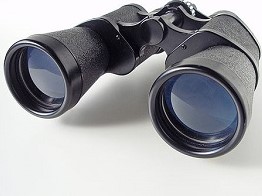
Using binoculars for astronomy is a simple and rewarding way to explore the night sky, but holding them steady for long periods quickly becomes uncomfortable — especially at higher magnifications or with larger, heavier binoculars. Hand-held viewing often leads to shaky images and missed detail.
A binocular tripod adapter solves this by allowing your binoculars to mount securely on a standard tripod, providing steadier views and far more comfortable observing sessions.
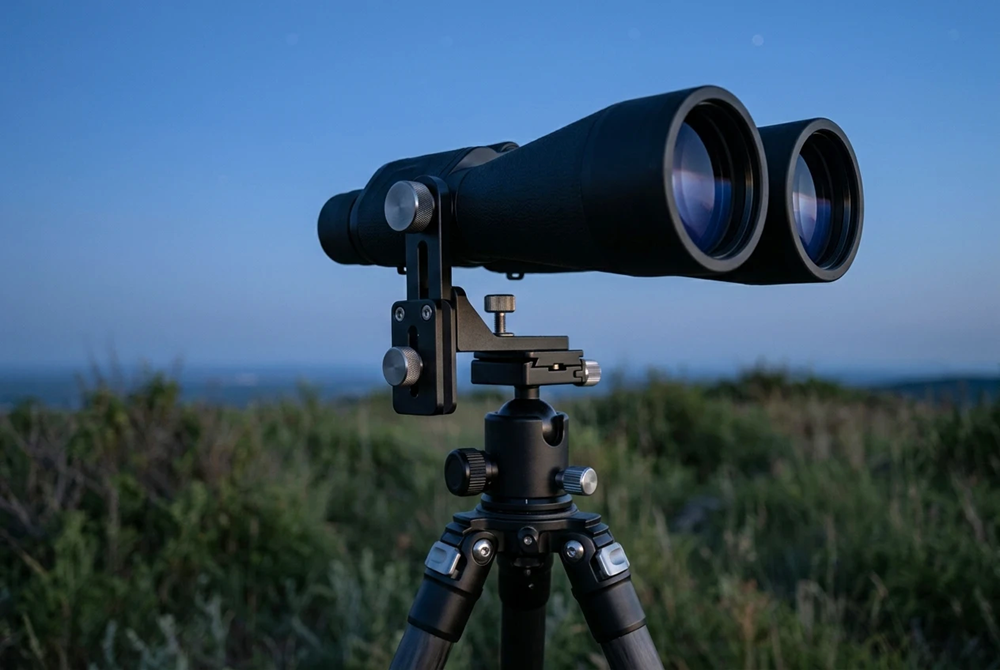
In this guide, we’ve selected some of the best binocular tripod adapters for astronomy, focusing on stability, build quality, compatibility, and overall value.
You’ll also learn what to look for when choosing an adapter and which options are best suited to different binocular sizes and observing styles.
If you’re new to observing the night sky, our Binoculars For Stargazing- A Beginners Guide will help you choose the right pair before adding a tripod setup.
What to Look For: Choosing the Right Tripod Adapter
| Feature | Why It Matters |
|---|---|
| Standard ¼”-20 tripod connection | Ensures the adapter can attach to most standard camera tripod heads with a compatible mounting bolt. |
| Compatible binocular mounting point | Most conventional adapters screw into a threaded socket on the binocular’s central hinge. Check that your binoculars have one before buying. |
| Sturdy construction | A rigid metal adapter is generally preferable, particularly for larger or heavier binoculars, as it helps minimise unwanted movement. |
| Secure contact and grip | Rubber pads or a well-designed mounting surface help prevent slipping and unwanted movement where the adapter meets the binoculars. |
| Low-profile design | A compact adapter is easier to transport and store, particularly if you travel to observing locations. |
| Adequate height and clearance | The adapter should provide enough clearance between the binoculars and tripod head to allow comfortable positioning when pointing towards higher areas of the sky. |
| Stability and vibration control | A rigid, securely fitted adapter helps minimise wobble and flex. Remember that the tripod and tripod head also play an important role in reducing vibrations. |
Stability is especially important at higher magnifications — see our Telescope Eyepiece Magnification Explained guide to understand how magnification affects what you see.
Disclosure: This post contains affiliate links. If you buy through these links, I may earn a small commission at no extra cost to you. As an Amazon Associate, I earn from qualifying purchases.
Top Binocular Tripod Adapters for Astronomy
Celestron Binocular Tripod Adapter
The Celestron Binocular Tripod Adapter is a reliable, all-round choice for astronomy, offering a straightforward way to mount your binoculars securely onto a tripod.
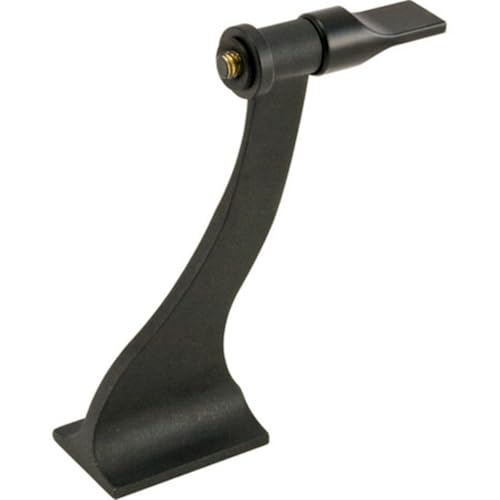

Its sturdy metal construction provides a rigid connection between the binoculars and tripod, helping to minimise unwanted movement and making extended observing sessions more comfortable.
- Metal construction for a sturdy, secure mounting connection
- Standard ¼”-20 tripod fitting, compatible with most conventional camera tripod heads
- Designed for most Porro and roof-prism binoculars with a suitable threaded mounting socket
- Simple installation without specialist tools
Best for: general-purpose astronomical observing with compatible binoculars.
SVBony SV110 Binocular Tripod Adapter
The SVBONY SV110 is a sturdy, all-metal tripod adapter designed primarily for Porro-prism binoculars. Its larger mounting design provides a secure connection to a tripod, making it a useful option for astronomy enthusiasts who want steadier views without spending a great deal.

Weighing approximately 89g, it’s relatively lightweight while offering a solid metal construction.
- All-metal construction for a sturdy mounting connection
- Standard ¼-inch tripod connection for compatible tripod heads
- Larger 20mm mounting head designed for suitable Porro-prism binoculars
- Useful alternative for supporting larger binoculars during extended observing sessions
Best for: Porro-prism binoculars with a compatible tripod socket and sufficient clearance between the objective tubes.
Compatibility note: Before buying, check that your binoculars have a suitable threaded tripod socket and more than 21mm of clearance between the objective tubes. SVBONY also specifies a maximum binocular weight of 3kg and restrictions on the depth of the mounting socket. Check these measurements carefully before purchasing.
FANAUE S1 Quick-Release Binocular Tripod Adapter
The FANAUE S1 offers something a little different from a conventional binocular tripod adapter. Its quick-release design allows you to attach and remove your binoculars from the tripod without repeatedly unscrewing the mounting connection, making it particularly convenient when moving between handheld and tripod viewing.

The adapter features a CNC-machined T6061 aluminium alloy body and a detachable mounting system compatible with Arca-Swiss-style tripod heads and conventional ¼-inch tripod connections. A built-in safety mechanism also helps prevent accidental release once the binoculars are mounted.
- CNC-machined T6061 aluminium alloy construction
- Quick-release mechanism for convenient attachment and removal
- Compatible with Arca-Swiss-style tripod heads and standard ¼-inch tripod connections
- Safety-locking feature to help prevent accidental detachment
Best for: observers who value quick attachment and removal, particularly those using an Arca-Swiss-compatible tripod head.
Compatibility note: Your binoculars must have a suitable threaded tripod mounting socket. Check that your tripod head is compatible with either the Arca-Swiss fitting or the adapter’s standard ¼-inch connection before purchasing.
While a tripod adapter improves stability, upgrading to a telescope will give significantly more magnification — check out our Best Tabletop Telescopes for Beginners guide.
Which Adapter Fits My Binoculars?
Choosing the right tripod adapter depends mainly on whether your binoculars have a suitable threaded mounting socket, the design of the adapter and the weight of your binoculars.
Use this quick guide to help narrow down your options.
✔ Binoculars with a centre-hinge tripod socket
Many modern binoculars have a threaded tripod socket built into the centre hinge, sometimes concealed beneath a small cap. This is the most common arrangement for conventional binocular tripod adapters.
Best choices:
- Celestron Binocular Tripod Adapter – a straightforward, general-purpose option.
- SVBONY SV110 – particularly suitable for compatible Porro-prism binoculars.
- FANAUE S1 – offers quick-release convenience for compatible binoculars.
✔ Binoculars used with an Arca-Swiss-compatible tripod head
If your tripod has an Arca-Swiss-style quick-release head, the FANAUE S1 is worth considering. Its quick-release design makes it convenient to attach and remove your binoculars without repeatedly unscrewing the mounting connection.
Best choice:
- FANAUE S1 Quick-Release Binocular Tripod Adapter
✔ Compact or lightweight binoculars
Smaller binoculars generally don’t need a large or heavy-duty adapter. A simple, lightweight mounting solution is often sufficient, provided it fits the binoculars securely.
Best choices:
- Celestron Binocular Tripod Adapter
- FANAUE S1 Quick-Release Adapter
✔ Larger or higher-magnification binoculars (10×50 and above)
Larger binoculars can be heavier and more difficult to hold steady, particularly at higher magnifications. Look for a rigid, secure mounting connection, and make sure your tripod and tripod head can comfortably support the combined weight.
Best choices:
- Celestron Binocular Tripod Adapter
- SVBONY SV110, where its compatibility requirements are met
- FANAUE S1, provided the mounting arrangement is suitable
Important: Before buying any adapter, check that your binoculars have a compatible threaded tripod socket. Also check the adapter’s mounting requirements, weight limits and clearance restrictions. The SVBONY SV110, in particular, has specific compatibility requirements for Porro-prism binoculars.
If you’re still deciding on binocular sizes, our Best Binoculars for Stargazing guide explains which specifications work best for astronomy.
Quick Comparison: Best Binocular Tripod Adapters
| Adapter | Main feature | Construction | Best for |
|---|---|---|---|
| Celestron Binocular Tripod Adapter | Simple, conventional mounting design | Metal | General-purpose use with compatible binoculars |
| SVBONY SV110 | Larger mounting head, designed primarily for Porro-prism binoculars | All-metal | Porro-prism binoculars with suitable clearance |
| FANAUE S1 Quick-Release Adapter | Quick-release system and Arca-Swiss compatibility | CNC-machined aluminium alloy | Convenient attachment and removal, especially with compatible tripod heads |
At a glance: Choose the Celestron for straightforward everyday use, the SVBONY for compatible Porro-prism binoculars, or the FANAUE S1 if quick-release convenience is your priority.
Final Thoughts
For many beginners, a tripod adapter is one of the simplest upgrades you can make to improve your viewing experience. If you eventually want more detailed views of planets and deep-sky objects, our How To Buy A Telescope – A Beginner’s Guide explains when it’s worth upgrading.
Whichever adapter you choose, pairing your binoculars with a solid tripod and a well-matched mount will significantly improve comfort, image stability, and overall enjoyment under the night sky.
This will allow you to observe longer, see more detail, and make the most of your astronomy sessions.
Frequently Asked Questions
Are binocular tripod adapters worth it for astronomy?
Yes. A binocular tripod adapter dramatically improves stability, reduces arm fatigue, and makes it easier to see fine detail when observing the Moon, planets, and deep-sky objects. Even lightweight binoculars benefit from tripod mounting during longer astronomy sessions.
Will any tripod adapter fit my binoculars?
Not always. Most binoculars with a centre hinge use a centre-mount adapter, while some models have a built-in tripod socket that accepts an L-shaped adapter. Always check whether your binoculars have a hinge or a threaded socket before choosing an adapter.
Can I use a normal camera tripod with binoculars?
Yes. Most binocular tripod adapters use a standard ¼”-20 thread, which fits the majority of camera tripods. For astronomy, a sturdy tripod with a smooth pan-tilt or fluid head will provide the best stability and viewing comfort.