Sony has become one of the most popular systems for astrophotography, thanks to its advanced mirrorless cameras and access to a huge range of lenses.
In addition to Sony’s own glass, E‑mount users benefit from excellent third‑party support, giving astrophotographers more choice than almost any other camera system.
This guide focuses exclusively on Sony E‑mount lenses for astrophotography, covering both full‑frame and APS‑C cameras.
Whether you’re capturing wide Milky Way landscapes or tighter night‑sky compositions, the lenses below prioritise light‑gathering ability, sharp stars, and real‑world usability.
Note: This post contains affiliate links. If you buy through these links, I may earn a small commission at no extra cost to you. As an Amazon Associate, I earn from qualifying purchases.
Quick Verdict (If you’re short of time)
Best Sony Astrophotography Lenses
- Best overall Sony lens: Sony FE 24mm f/1.4 GM — outstanding sharpness and light‑gathering
- Best ultra‑wide option: Sony FE 14mm f/1.8 GM — exceptional edge performance for Milky Way shots
- Best wide‑angle zoom: Sony FE 16–35mm f/2.8 GM — versatile and optically strong
- Best budget Sony lens: Samyang 24mm f/1.8 AF (E‑mount) — excellent value for astrophotography
- Best for APS‑C cameras: Sony E 11mm f/1.8 — wide, lightweight, and well‑suited to crop sensors
Sony Lens Comparison Table
| Lens | Mount | Focal Length | Max Aperture | Best For | Skill Level |
|---|---|---|---|---|---|
| Sony FE 24mm f/1.4 GM | E (FF) | 24mm | f/1.4 | Milky Way, landscapes | Intermediate–Advanced |
| Sony FE 14mm f/1.8 GM | E (FF) | 14mm | f/1.8 | Ultra‑wide night skies | Advanced |
| Sony FE 16–35mm f/2.8 GM | E (FF) | 16–35mm | f/2.8 | Versatile wide‑angle work | Intermediate |
| Samyang 24mm f/1.8 AF | E (FF) | 24mm | f/1.8 | Budget astrophotography | Beginner–Intermediate |
| Sony E 11mm f/1.8 | E (APS‑C) | 11mm | f/1.8 | APS‑C Milky Way shots | Beginner |
Best Sony Lenses for Astrophotography
Sony FE 24mm f/1.4 GM — Best Overall
The Sony FE 24mm f/1.4 GM is widely regarded as one of the best astrophotography lenses available for Sony cameras.
Its fast f/1.4 aperture allows shorter exposures and lower ISO settings, while excellent coma control keeps stars sharp across the frame.

Why it’s great for astrophotography:
- Ultra‑bright f/1.4 aperture
- Outstanding edge‑to‑edge sharpness
- Ideal focal length for Milky Way photography
Best for: Full‑frame Sony shooters wanting top‑tier results.
Sony FE 14mm f/1.8 GM — Best Ultra‑Wide Sony Lens
If you want to capture as much of the night sky as possible, the Sony FE 14mm f/1.8 GM is an exceptional choice. The ultra‑wide field of view is perfect for dramatic Milky Way landscapes, while the fast aperture keeps exposure times manageable.

Why it’s great for astrophotography:
- Extremely wide field of view
- Excellent corner sharpness
- Minimal distortion and coma
Best for: Astrophotographers who love expansive night‑sky scenes.
Sony FE 16–35mm f/2.8 GM — Best Wide‑Angle Zoom
For photographers who want flexibility, the Sony FE 16–35mm f/2.8 GM offers a strong balance of versatility and performance.
From ultra‑wide landscapes to tighter compositions, this lens performs reliably across its zoom range.

Why it’s great for astrophotography:
- Versatile focal length range
- Constant f/2.8 aperture
- Professional build quality
Best for: Shooters who want one lens to cover multiple night‑sky compositions.
Samyang 24mm f/1.8 AF — Best Budget Sony Lens
Sony E‑mount users benefit from excellent third‑party options, and the Samyang 24mm f/1.8 AF is one of the best budget astrophotography lenses available.
It delivers strong optical performance at a much lower price than Sony’s premium GM lenses.

Why it’s great for astrophotography:
- Fast f/1.8 aperture
- Good coma control for the price
- Excellent value for money
Best for: Budget‑conscious Sony astrophotographers.
Sony E 11mm f/1.8 — Best for APS‑C Cameras
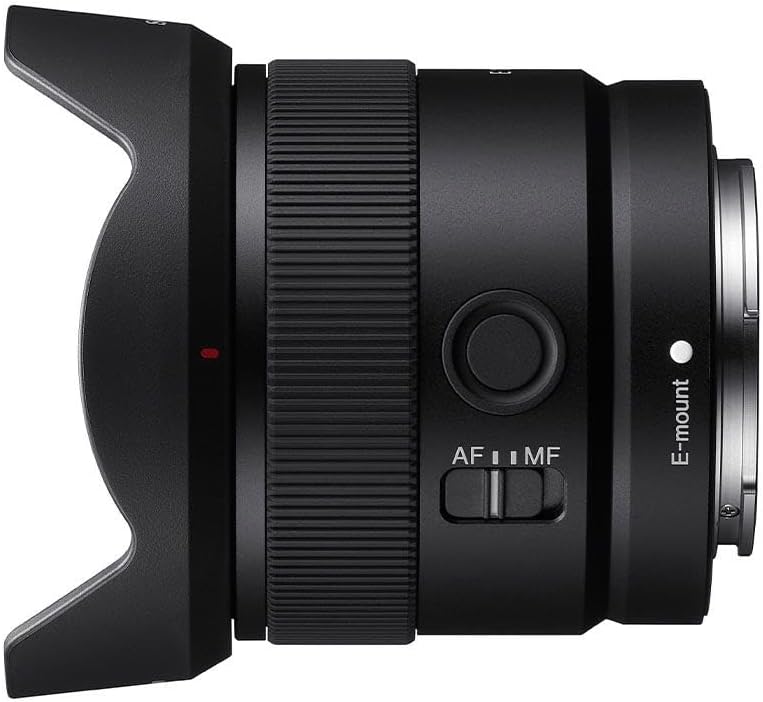
For Sony APS‑C users, the Sony E 11mm f/1.8 provides a wide field of view equivalent to roughly 16.5mm on full frame. Its fast aperture and compact design make it a strong choice for lightweight astrophotography setups.
Why it’s great for astrophotography:
- Wide field of view on APS‑C
- Fast f/1.8 aperture
- Lightweight and portable
Best for: Sony APS‑C shooters capturing wide star fields.
What to Look for in a Sony Astrophotography Lens
When choosing a Sony lens for astrophotography, focus on:
- Wide aperture: f/2.8 or faster for better light‑gathering
- Wide focal length: 14–24mm for Milky Way photography
- Coma control: Essential for sharp stars at the edges
- Third‑party support: Sony E‑mount offers excellent alternatives to native lenses
Final Verdict
Sony’s E‑mount system offers one of the strongest lens ecosystems for astrophotography. The Sony FE 24mm f/1.4 GM stands out as the best overall choice, while ultra‑wide options like the 14mm f/1.8 GM excel for dramatic Milky Way shots.
Thanks to strong third‑party support, budget‑friendly lenses like the Samyang 24mm f/1.8 also make Sony an excellent system for night‑sky photography.
Nikon shooters benefit from an excellent mix of DSLR and mirrorless lenses — see my full breakdown of the best Nikon lenses for astrophotography.
If you’re comparing systems, you may also want to explore my guides to Canon astrophotography lenses where I break down the best options for those cameras.
Frequently Asked Questions
Sony cameras are popular for astrophotography due to their strong low-light performance and mirrorless design. Sony E-mount users also have access to a wide range of native and third-party lenses.
Yes, many third-party lenses for Sony E-mount perform extremely well for astrophotography. Brands like Sigma and Samyang offer fast apertures and excellent star sharpness at competitive prices.
Full-frame Sony cameras generally perform better in low-light conditions, but APS-C models are still capable of astrophotography. The choice often depends on budget and shooting style.
Focal lengths between 14mm and 24mm are ideal for capturing the Milky Way with Sony cameras. These wide angles allow shorter exposure times while capturing more of the night sky.