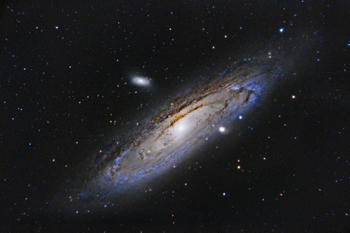
What Is Astronomy? (Complete Beginner Guide)
Astronomy is something that has grabbed my curiosity for as long as I can remember. Looking up at the stars through binoculars, a telescope or just with the naked eye is a reminder of how big our universe really is.
Even if you’re brand new to astronomy, you can enjoy it without advanced knowledge or equipment.
In this article, I’m going to walk you through the basics of astronomy, what you might want to know as a beginner, and some simple ways to get started exploring the universe.
If you’re completely new, you might also find this guide on how to get started with stargazing helpful.
Understanding Astronomy: The Study of the Universe
Astronomy is the scientific study of physical objects or structures that exist in space, and the universe as a whole. I see it as a mix of science, discovery, and a bit of magic that happens when you gaze up at the night sky.
The field of astronomy covers everything from the beautiful stars we see at night to more mysterious objects like black holes and distant galaxies. Even though astronomy has a long history dating back thousands of years, advances in technology make it easier than ever for anyone to join in and learn.
Astronomy has led to discoveries that have shaped how we see our place in the universe. The invention of the telescope in the early 17th century revealed planets, moons, and far off galaxies.
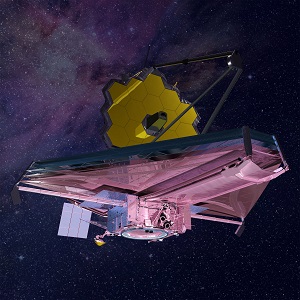
Today, space telescopes like Hubble and the James Webb Space Telescope continue to send back stunning images that keep both amateur and professional astronomers inspired.
Getting Started with Astronomy for Beginners
Stepping into astronomy for the first time can feel overwhelming at first. There’s a lot to learn, and the universe is, quite literally, endless. (or so it’s thought!)
You don’t need expensive equipment or a degree to start. I began with a pair of my dad’s binoculars, and they’re still one of the best ways to start—here’s what you can expect when using binoculars for stargazing.
Here are some key concepts and terms that you’ll come across from the very start:
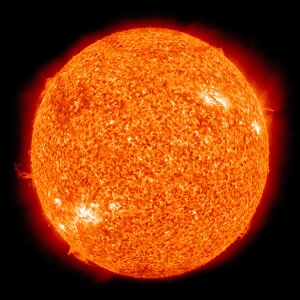
- Star: A massive, luminous ball of gas, mostly hydrogen and helium, that produces energy through nuclear fusion. The Sun is the star closest to Earth.
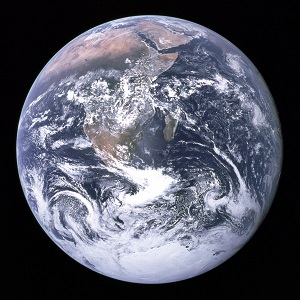
- Planet: A celestial body that orbits a star, has enough mass for a nearly round shape, and has cleared its orbit of other debris. Earth and Mars are good examples.
- Constellation: A recognized pattern of stars in the night sky, usually named after mythological characters or animals. Famous constellations include Orion and Ursa Major.
- Galaxy: A vast collection of stars, planets, gas, and dust bound together by gravity. Our solar system sits inside the Milky Way galaxy.
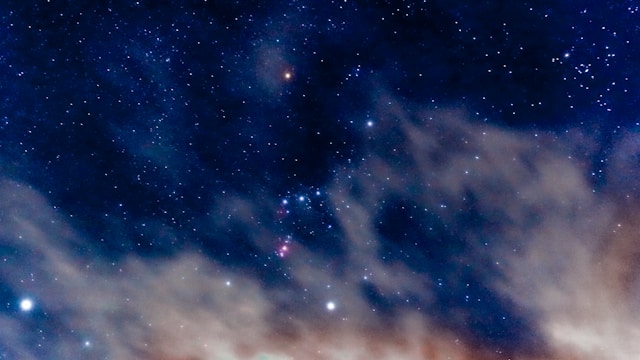
How to Begin Observing the Night Sky
The best way to start with astronomy is to spend time watching the sky. You don’t need a telescope to notice details like the bright planets, the phases of the moon, or even some nearby galaxies. Here’s a few things which may help when first starting out:
- Find a Dark Spot: Light pollution from cities can block your view of dimmer stars. Parks, hills, or rural areas are often best for skywatching. I was lucky in that I lived in a relatively dark area.
- Get a Star Map or App: Star maps and smartphone apps help you identify stars, constellations, and planets in real time.
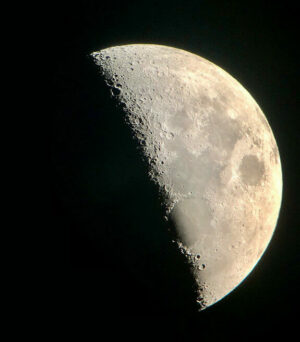
- Start with Easy Targets: The Moon, Orion’s Belt, and the Big Dipper are usually visible and easy to spot most nights.
- Use Binoculars: Binoculars reveal craters on the moon or even the moons of Jupiter without needing a telescope. If you’re curious, here’s a deeper look at what you can see with binoculars.
Sticking to these basic steps made my early days in astronomy rewarding and fun. Experience builds quickly, especially when you make a habit out of skywatching. If you keep at it, you’ll notice patterns and sky objects you may never have seen before.
What to Keep in Mind Before You Begin Astronomy
Starting any new hobby brings its own set of challenges, and astronomy has a few that you’ll want to plan for. Here’s some common issues you may encounter early on, and how to deal with them:
Weather Conditions
Most of my failed observing nights were due to clouds or poor seeing conditions. Checking out weather forecasts beforehand will help pick the best nights to go out.
Light Pollution
A common problem for those who live in the city. If you have transport (or you know someone who has) driving even 20 minutes out of town could double the number of stars you could see.
Some websites and apps provide light pollution maps that help you find nearby dark spots easily so you don’t waste nights with poor visibility.
Learning the Sky Takes Time
Confusing constellations and getting lost in the stars happens a lot at the beginning. Take it slow and aim to learn just a few constellations each month.
Sometimes, observing with friends or through a local astronomy club offers guidance and keeps you motivated. There is always more to learn, and it’s perfectly normal to mix up constellations as you practice.
Equipment Overload
The temptation to want a complex telescope right away may be strong, but try to resist that (at least for a while!)
Starting with binoculars is easier, and when you’re ready, this guide on how to choose your first telescope can help you take the next step.
If you would like to join a local club you may be able to use a telescope at their meetings, which may help you decide if you want one, before spending money. I didn’t have the benefit of a club near me (was too shy anyway!) but they are a great idea.
Challenges are a normal part of learning, but finding solutions that fit your lifestyle and location means you can enjoy astronomy for years to come. Every amateur astronomer runs into obstacles, so don’t feel discouraged if your first attempts are tricky.
Common Objects and What You’ll See
| Object Type | Example | What You See (Beginner) | Best Equipment |
|---|---|---|---|
| Moon | The Moon | Craters, shadows | Binoculars/Telescope |
| Planet | Jupiter | Bright disk, moons | Small telescope |
| Planet | Saturn | Rings (small but clear) | Telescope |
| Nebula | Orion Nebula | Faint glowing cloud | Binoculars/Telescope |
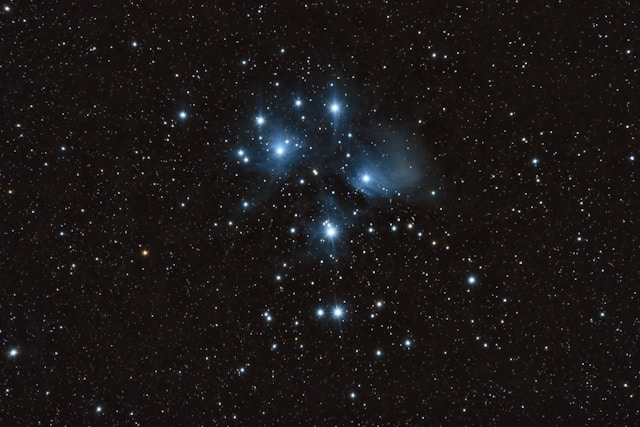
| Star Cluster | Pleiades | Bright group of stars | Binoculars |
| Galaxy | Andromeda | Faint smudge of light | Binoculars/Telescope |
Simple Tips to Boost Your Astronomy Experience
If you’re working through the basics, you can explore more topics in the Learn Astronomy hub. Once you’re comfortable with the basics, there are a few ways to take your stargazing up a notch:
Try Different Observation Times: The night sky looks different at sunset, midnight, and dawn. Waking up early or staying up late lets you stumble upon new views.
Why I Like This Tip: Changing up your routine reveals planets and stars that aren’t visible all night.
Join Astronomy Clubs: Clubs are welcoming to beginners. Experienced members love to share their knowledge, and group events offer access to larger telescopes.
Why I Like This Tip: Sharing the night sky with others keeps learning fun and helps pick up tips you might miss on your own.
Read Astronomy Books and Watch Documentaries: Great books and films can inspire and explain concepts in a relatable way.
Why I Like This Tip: Seeing the universe through different perspectives often sparks new questions and curiosity.
New discoveries and techniques always pop up in astronomy, so staying open to learning is really important. Remember that apps, online videos, and celestial events calendars can help you stay curious and plan your observations more effectively.
Basic Astronomy Equipment for Beginners
Starting with astronomy doesn’t require expensive gear, but the right tools do help improve what you can see. The basics to start with include:
- Star Charts or Apps: Printable star maps or smartphone apps for sky identification.
- Binoculars: Start things off great! Give a bigger, clearer view of the moon and planets than your eyes alone.
- Notebook and Red Flashlight: A red flashlight helps you read and write without ruining your night vision.
- Entry Level Telescope: A simple telescope, once you know what you want to observe, can bring distant planets and even nebulae into view. If you’re unsure where to start, this beginner telescope guide breaks it down clearly.
My first telescope was a small refractor. It was great for seeing the moon’s craters, Saturn’s rings, and even some star clusters.
I didn’t have the benefit of a club near me (was too shy anyway!) but they are a great idea. If you join a club, you might get to try out different types before deciding what works best for you. Comparing different telescopes first-hand makes it easier to pick one that matches your needs and budget.
- Planet Observation: Binoculars are enough to spot Jupiter’s largest moons and Saturn’s rings most nights.
- Lunar Exploration: Even a small telescope shows amazing lunar details, including ridges and shadows changing night by night. The moon can look completely new depending on its phase.
- Deep Sky Objects: With more practice—and sometimes just binoculars—you’ll catch faint galaxies, star clusters, and nebulae. Patient skywatchers get rewarded by tracking down these far-off wonders.
The Joy of Exploring Astronomy as a Beginner
Stumbling upon astronomy can really open your eyes to new wonders. Whether you’re out for a quick look at the moon or spending hours at a dark sky park, learning what’s above you brings a fresh perspective to everyday life.
The important thing is to get outside, look up, and keep asking questions about what you see. Every night sky is different, and you never know what new things you might stumble upon.
The universe is always changing and full of surprises waiting to be noticed by curious eyes.
Starting your astronomy adventure is something you’ll never regret. It’s the perfect way to stay curious and experience the universe first hand, one star at a time.
There’s a special feeling that comes from connecting with the cosmos, and it’s open to anyone who wants to get involved—just look up and enjoy the ride!
Frequently Asked Questions About Astronomy
Astronomy is the study of space and everything in it, including stars, planets, and galaxies.
No. You can begin with your eyes or a simple pair of binoculars.
The Moon is the best starting point—it’s bright, detailed, and easy to find.
Not at all. Basic astronomy is very accessible, especially with modern apps and guides.
Astronomy is a science based on observation and evidence.
Astrology is not scientific and is based on belief systems.