Everything you need to get started with astrophotography, from essential equipment to capturing your first images of the night sky.
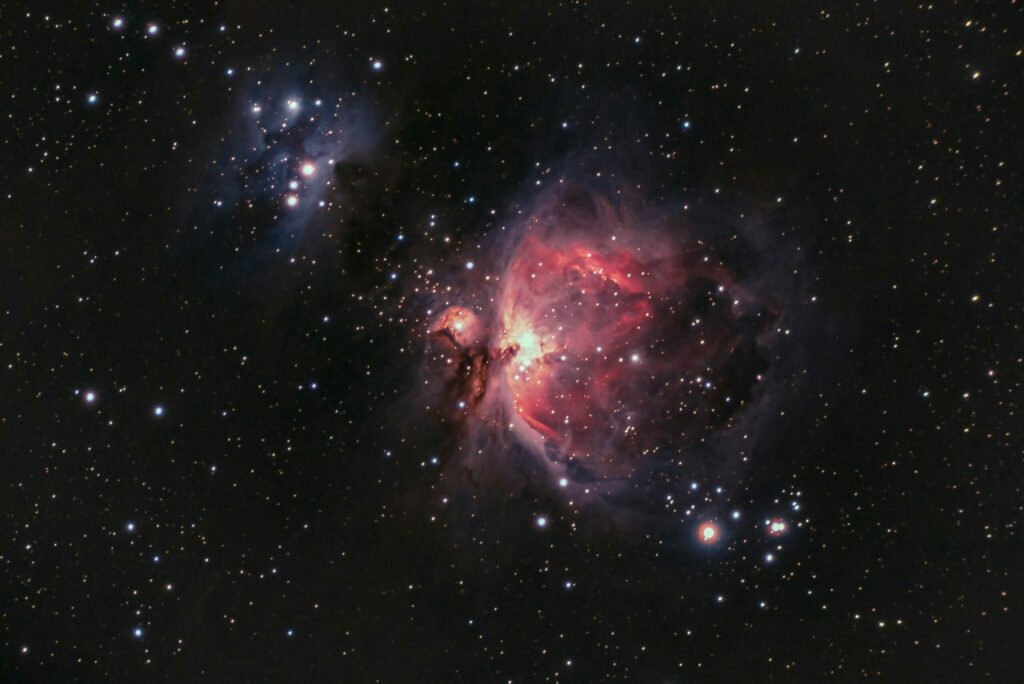
Astrophotography is one of the most rewarding parts of astronomy. Capturing images of the Moon, planets, star clusters, and even distant galaxies allows you to experience the night sky in a completely new way.
But getting started can feel overwhelming. Cameras, telescopes, star trackers, mounts, filters — the gear list can seem endless.
This hub brings together beginner-friendly astrophotography guides, gear recommendations, and practical tutorials to help you start capturing your own images of the night sky.
Whether you want to photograph the Moon with a smartphone or capture deep-sky objects with a telescope, these guides will help you understand the equipment and techniques involved.
TL;DR: Where Should You Start?
New to astrophotography? Start with our Astrophotography for Beginners Guide which walks you through the basics and helps you capture your first image step by step.
Choosing your first setup? A good camera and stable tripod are essential for sharp long-exposure images. Explore our guides to the Best Cameras for Astrophotography and Best Tripods for Astrophotography
Using a smartphone? You can capture impressive images of the Moon and bright objects with the right setup. Take a look at our Smartphone Astrophotography Made Easy guide to get started.
Need more stability for your phone? A dedicated tripod can make a huge difference. See our guide to the Best Smartphone Tripods For Astrophotography
Want to attach your phone to a telescope? A smartphone adapter allows you to capture more detailed images through your optics. Check out our guide to the Best Smartphone Telescope Adapters
Explore All Astrophotography Guides (Index)
Beginner Guides
- Astrophotography For Beginners – A Guide to Capturing The Night Sky.
- Smartphone Astrophotography Made Easy
Astrophotography Buying Guides
- The Best Astrophotography Cameras For Beginners
- The Best Tripods For Astrophotography
- The Best Nikon Lens For Astrophotography
- The Best Sony Lens For Astrophotography
- The Best Canon Lens For Astrophotography
Smartphone Astrophotography Buying Guides
- The Best Smartphone Tripods For Astrophotography
- Best Clip-On Lenses For Smartphone Astrophotography
Before You Buy Astrophotography Equipment
Astrophotography equipment can range from simple smartphone setups to complex telescope imaging rigs. Before investing in gear, it helps to understand a few key principles.
1. Tracking is the most important upgrade
When photographing the night sky, the Earth’s rotation quickly causes stars to move across the frame. A star tracker or equatorial mount compensates for this movement and allows for longer exposures.
For many beginners, a good star tracker is more important than an expensive camera.
2. You don’t always need a telescope
Many astrophotographers start with a DSLR or mirrorless camera and a wide-angle lens. This setup is perfect for photographing:
- The Milky Way
- Constellations
- Meteor showers
- Night landscapes
Telescopes are typically used later for deep-sky objects and planetary imaging.
3. Stability matters
Long exposure photography requires a stable tripod or mount. Even small vibrations can blur an image, so sturdy support equipment is essential.
4. Dark skies make a huge difference
Light pollution is one of the biggest challenges in astrophotography. Observing from darker locations dramatically improves image quality and makes faint objects easier to capture. You can check local sky darkness using this useful Light Pollution Map
5. Processing is part of astrophotography
Most astrophotography images are processed using software to stack multiple exposures and reveal faint detail. This is a normal part of the hobby and allows beginners to achieve impressive results even with modest equipment.
Latest Astrophotography Guides
-
Astrophotography used to require expensive cameras, tracking mounts and complicated equipment, but modern smartphones have changed the way beginners capture…
-
Curious about photographing the stars, moon, or even distant galaxies? Whether you’re using a DSLR, mirrorless camera, or just your…
-
If you’ve ever tried lining up your smartphone with a telescope eyepiece, you’ll know that it can be a real…
-
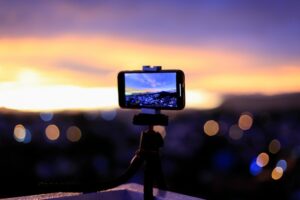
Astrophotography doesn’t have to mean hauling around bulky gear or mastering complex camera settings. With the right smartphone tripod…
-
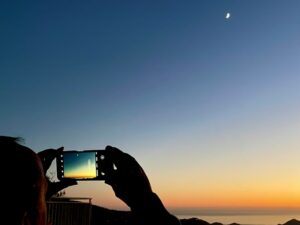
Smartphones aren’t just for selfies or snapping your lunch—a lot of people are discovering the joys of using them for…
-
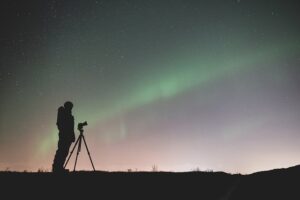
If you’re shooting the Milky Way, the Northern Lights, or deep-sky objects, choosing the right tripod is essential. A good…
Learning Astrophotography: Where Beginners Should Start
Astrophotography combines astronomy, photography, and patience. The learning curve can seem steep, but most beginners can capture their first night-sky images surprisingly quickly. Here are a few important concepts worth understanding early on:
Exposure and Star Movement
Because the Earth rotates, stars move across the sky. Long exposures without tracking can produce star trails. Shorter exposures or a tracking mount help keep stars sharp.
Image Stacking
Many astrophotographers capture multiple shorter exposures and combine them using stacking software. Stacking reduces noise and reveals faint detail in deep-sky objects.
Focusing on Stars
Achieving sharp focus is critical in astrophotography. Manual focus using a bright star is typically the best approach, as autofocus often struggles in low-light conditions.
Starting Simple
One of the best beginner setups is:
- DSLR or mirrorless camera
- Wide-angle lens
- sturdy tripod
- dark sky location
This simple setup can produce stunning images of the Milky Way and constellations. As you gain experience, you can gradually add star trackers, telescopes, and specialised filters to expand what you can photograph.
Explore More Astronomy Hubs
- Learn Astronomy – Build your knowledge of the night sky with beginner-friendly guides and observing tips.
- Telescopes – Find the best telescopes for beginners and learn how to choose the right one.
- Telescope Accessories – Upgrade your setup with essential accessories for better performance and comfort.
- Binoculars & Accessories – Explore binoculars for stargazing and the essential accessories to enhance your viewing experience.
- Gifts & Books – Discover books, gift ideas and resources to inspire every astronomy enthusiast’s journey.
Astrophotography for Beginners – FAQ’s
Beginners can start astrophotography with a camera, tripod, and wide-angle lens. More advanced setups may include a telescope, star tracker, equatorial mount, and specialised filters.
Yes. Many beginners start by photographing the Moon, constellations, and the Milky Way using a DSLR or mirrorless camera. With practice and the right techniques, impressive images can be captured even with simple equipment.
No. Many astrophotographers begin with camera and lens setups. Telescopes are typically used later for capturing planets and deep-sky objects such as nebulae and galaxies.
The Moon is usually the easiest target because it is bright and easy to focus on. The Milky Way and constellations are also popular beginner targets when photographing from dark sky locations.
DSLR and mirrorless cameras with good low-light performance are commonly used for astrophotography. Cameras that allow manual exposure control and RAW image capture are ideal for night-sky photography.